Hearing Test Masking: 3 Reasons Why It Secures Accurate Results
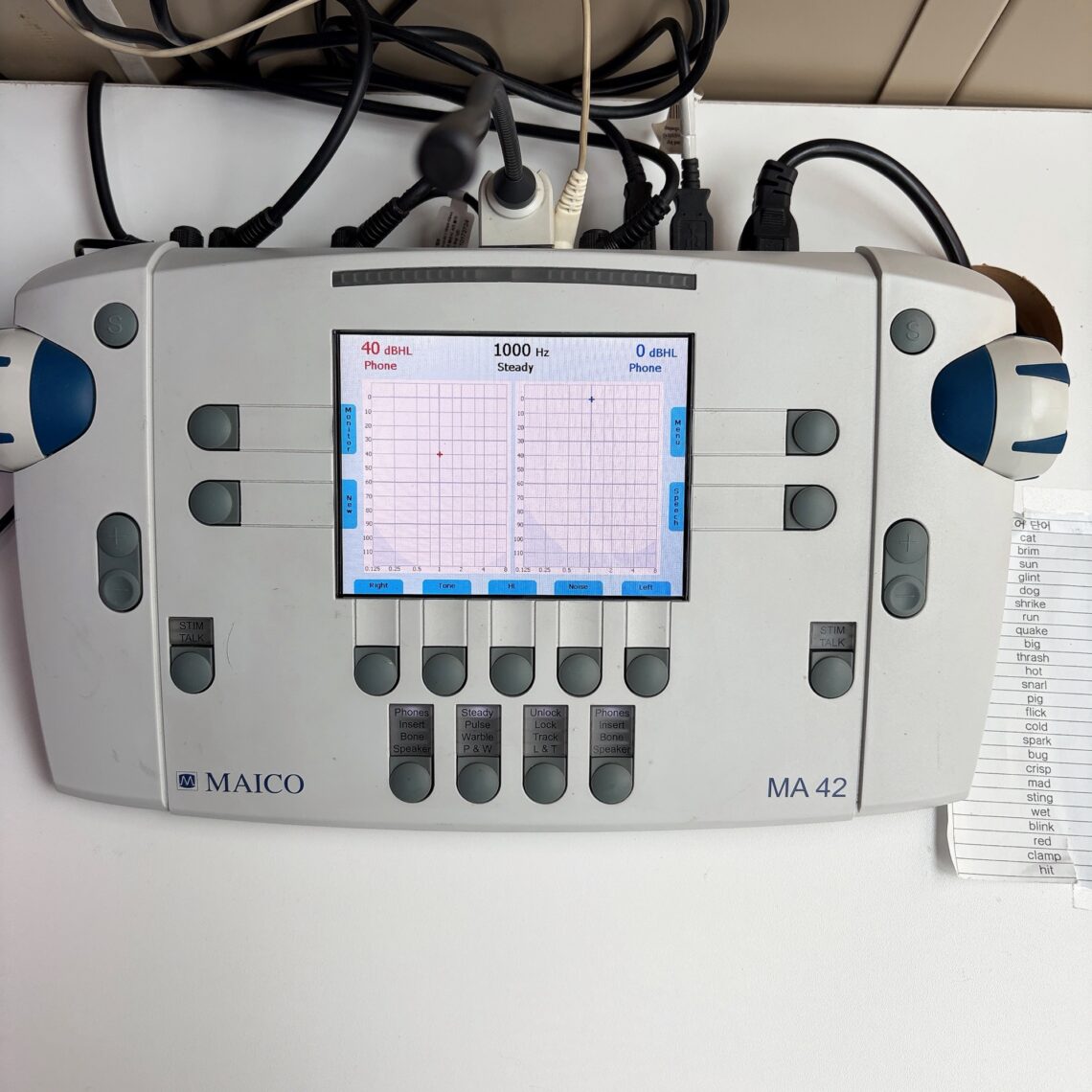
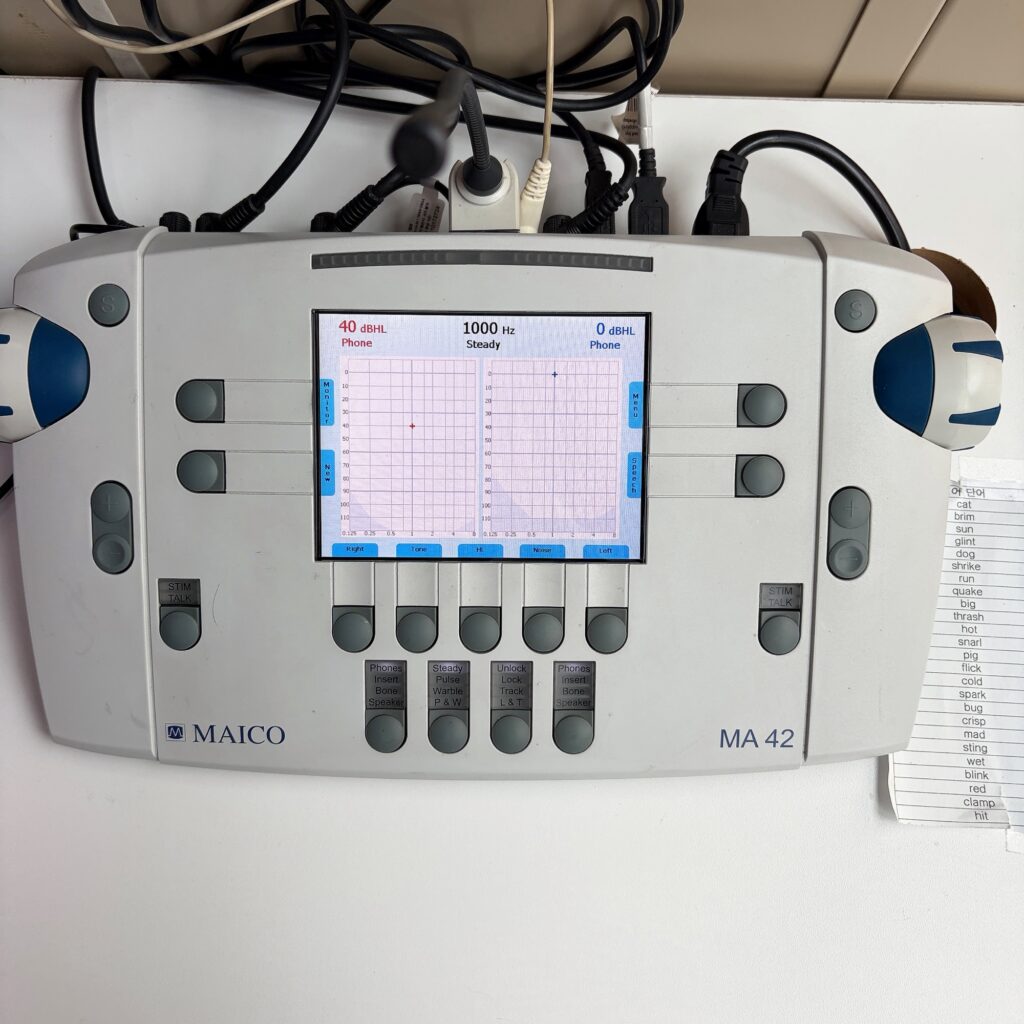
Do you know why audiologists play static noises during professional hearing evaluations? This clinical process is officially called auditory masking. Moreover, it prevents your stronger ear from assisting your weaker side continuously. Consequently, performing exact masking calculations is critical for standard diagnostic mapping success. In this expert guide, you will learn essential audiology rules.
1. Preventing Cross Hearing Echoes Through Cranial Bones
Sound waves can travel across your skull bones into opposite ear systems. Therefore, very loud acoustic signals easily vibrate the hard cranial structure.
Moreover, this biological crossover phenomenon is technically called cross hearing.
Consequently, a healthy side might answer tests meant for damaged sides.
In addition, this error creates highly inaccurate fraudulent pure-tone audiogram charts.
2. Using Specialized Static Noises to Isolate Target Ears
Audiologists introduce specific static noises to distract the non-test ear temporarily. Therefore, this action blocks the healthy side from catching bleeding sounds.
First, narrow band noise isolates the target evaluation zones perfectly.
In addition, it forces the poorer ear to answer entirely independently.
Furthermore, this strict separation reveals your true genuine physical hearing thresholds.
3. Securing Flawless Digital Software Fitting Configurations
Inaccurate diagnosis charts lead to dangerous digital hearing aid software adjustments. Therefore, verifying precise data points preserves your residual sensory health safely.
Therefore, faulty programming can cause painful sound distortions inside your head.
Furthermore, professional clinical execution dictates exact mathematical masking formula applications.
Ultimately, choosing meticulous testing centers will secure your long-term communication happiness.