Hearing Aid
Explore various types of hearing aids and the latest technology to improve your hearing quality.
-
Hearing Aid Maintenance: 3 Easy Ways to Clean Moisture
Do you want to extend your digital hearing equipment lifespan significantly? Daily exposure to sweat and earwax causes severe internal hardware damage. Moreover, proper cleaning habits prevent unexpected expensive technical repair costs easily. Consequently, taking good care of your devices preserves clear speech understanding daily. In this expert guide, you will learn practical cleaning rules.
1. Removing Daily Earwax Buildup Using Soft Cleaning Brushes
Earwax blockages often stop amplified sounds from leaving tiny internal speakers. Therefore, users should brush off external ear debris softly every evening.
Moreover, always hold the receiver facing downward while brushing gently.
Consequently, loose debris falls away instead of entering deep internal circuits.
In addition, replace dirty white wax guard filters with new ones monthly.
2. Utilizing Electronic Dry Boxes to Prevent Moisture Corrosion
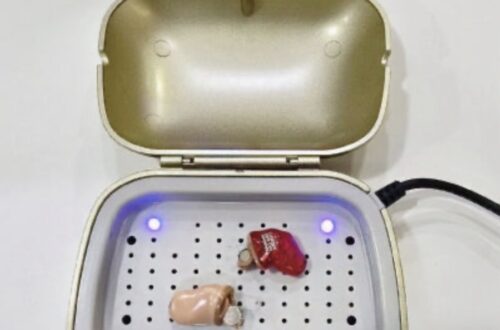
Internal dampness corrodes micro-chips and microphone sensor parts very rapidly over time. Therefore, placing equipment inside drying cases overnight is mandatory for longevity.
First, wipe away excessive summer sweat using dry soft paper cloths.
In addition, open battery doors fully to allow complete internal air ventilation.
Furthermore, modern charging stations often feature automatic ultraviolet drying functions.
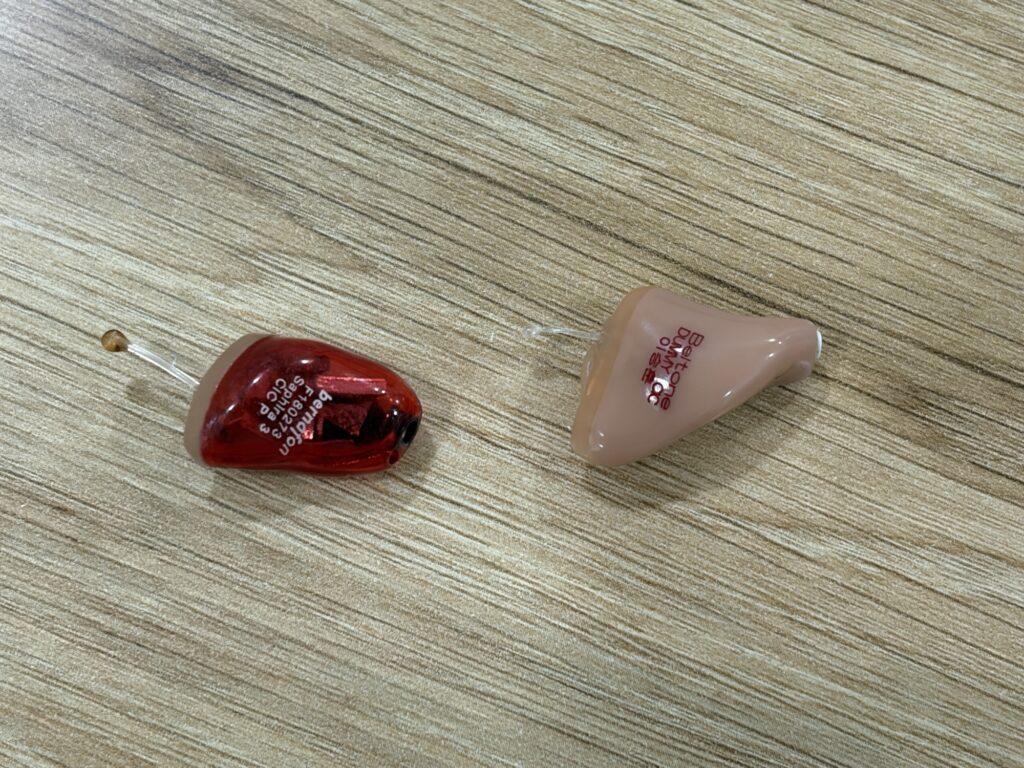
3. Avoiding Harmful Liquid Cleaners and Direct High Heat Blowers
Never use liquid alcohol wipes or running tap water on devices. Therefore, applying moisture directly triggers permanent electronic motherboard system failures instantly.
Therefore, clean outer silicone domes using dedicated dry tissue materials only.
Furthermore, avoid using hot hair dryers when devices get soaked accidentally.
Ultimately, maintaining disciplined daily care routines will secure your long-term happiness.
-
Rechargeable vs Battery Hearing Aids: 3 Key Comparisons
Are you confused between modern rechargeable designs and traditional disposable batteries? Choosing your power source impacts your daily technology handling convenient routine. Moreover, each power option provides completely unique lifestyle benefits. Consequently, evaluating physical dexterity and travel habits simplifies your final choice. In this professional guide, you will learn essential comparative rules.
1. Experiencing Maximum Convenience with Modern Rechargeable Models
Lithium rechargeable systems eliminate the need to handle tiny micro-batteries. Therefore, senior users can simply dock devices inside charging cases overnight.
Moreover, the sealed casing prevents internal moisture damage and sweat corrosion.
Consequently, users experience far fewer technical hardware breakdowns over time.
In addition, full charging cycles secure continuous direct Bluetooth audio streaming.
2. Maintaining Absolute Mobility using Traditional Disposable Cells
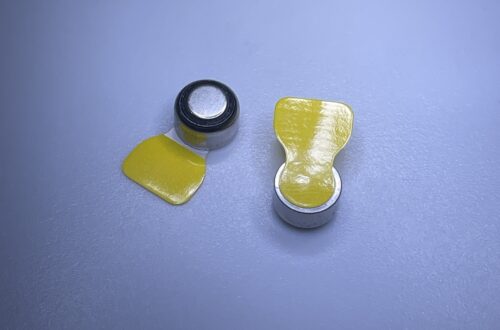
Zinc-air battery models offer maximum flexibility for frequent active outdoor travelers. Therefore, replacing empty cells takes only a few seconds anywhere.
First, tiny cell dimensions support completely invisible inner ear styles.
In addition, you do not need to carry bulky electric chargers.
Furthermore, initial equipment purchasing expenses remain noticeably lower for buyers.
3. Selecting Ideal Options Based on Personal Lifestyle Routines
Analyzing your everyday environment helps determine your perfect power equipment match. Therefore, clinical specialists recommend testing both options before buying.
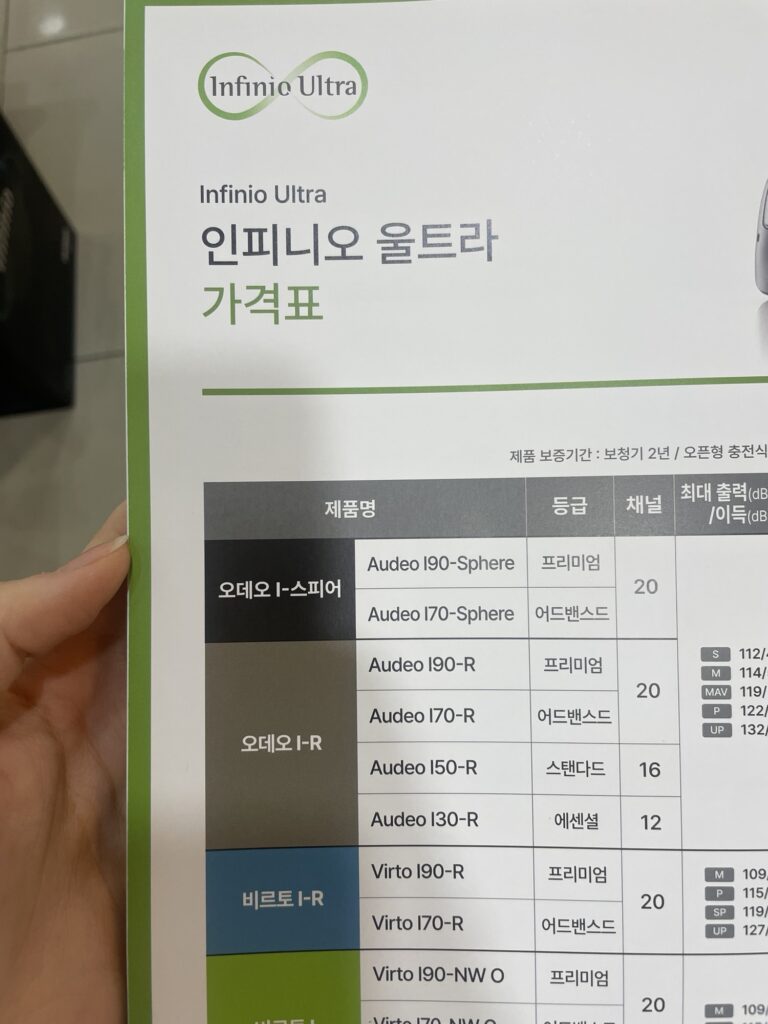
Therefore, active outdoor enthusiasts often prefer instant disposable battery swaps.
Furthermore, users with limited manual dexterity enjoy simple automatic charging docks.
Ultimately, selecting the appropriate power system will secure your long-term happiness.
-
Word Recognition Score: 3 Ways Speech Tests Predict Hearing Success
Do you struggle to understand clear words even when sounds feel loud enough? This common difficulty involves your internal word recognition score calculations. Moreover, measuring speech discrimination helps experts set realistic device amplification targets. Consequently, evaluating these speech diagnostic charts guides your overall rehabilitation program. In this expert guide, you will learn essential audiology rules.
1. Understanding Speech Discrimination Metrics via Word Tests
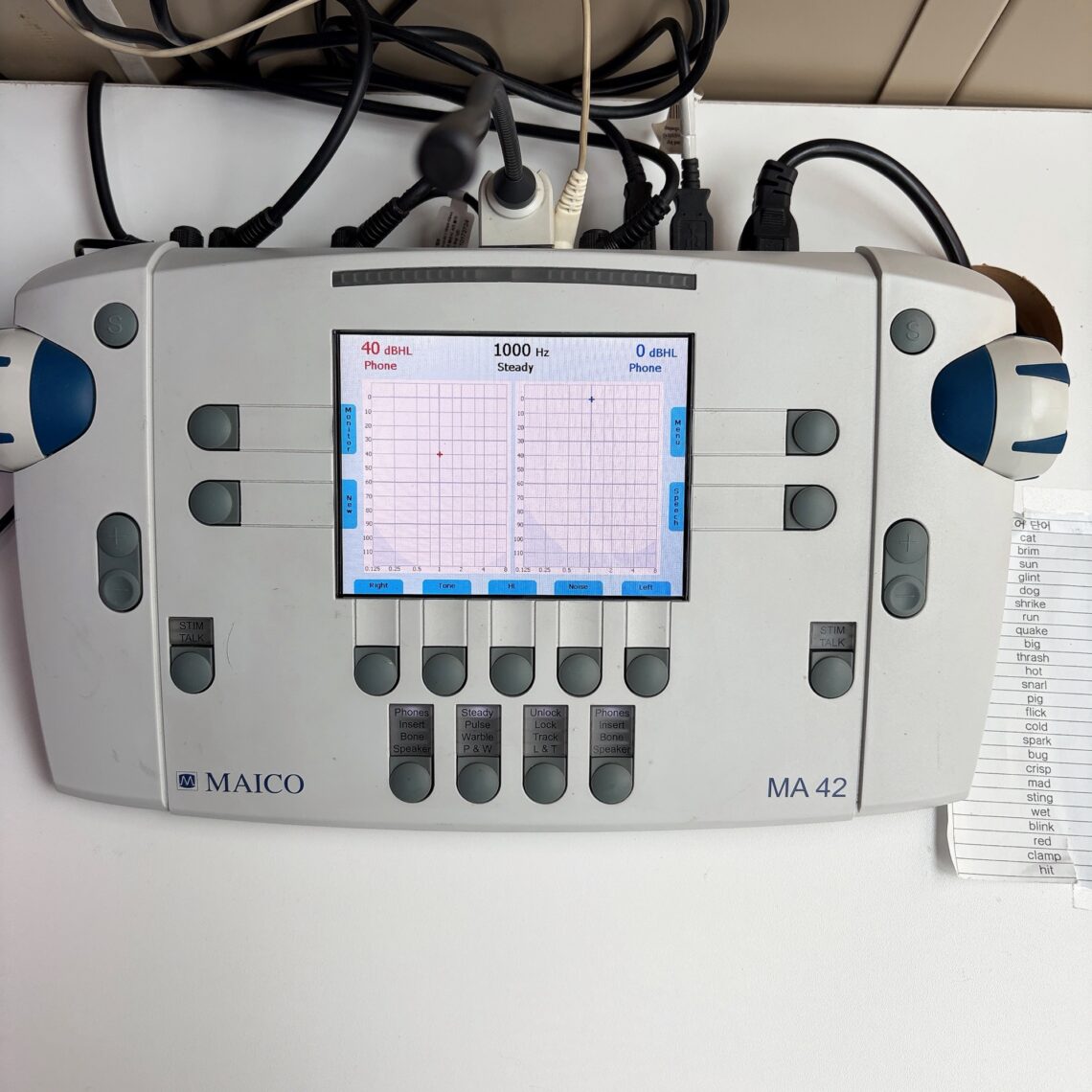
Speech recognition tests measure your exact ability to distinguish spoken monosyllabic words clearly. Therefore, patients listen to phonetically balanced words at comfortable listening volumes.
Moreover, technicians calculate your final score using a strict percentage scale.
Consequently, higher percentage ratings guarantee superior speech clarity after device fittings.
In addition, this test isolates brain processing power from simple ear sensitivity.
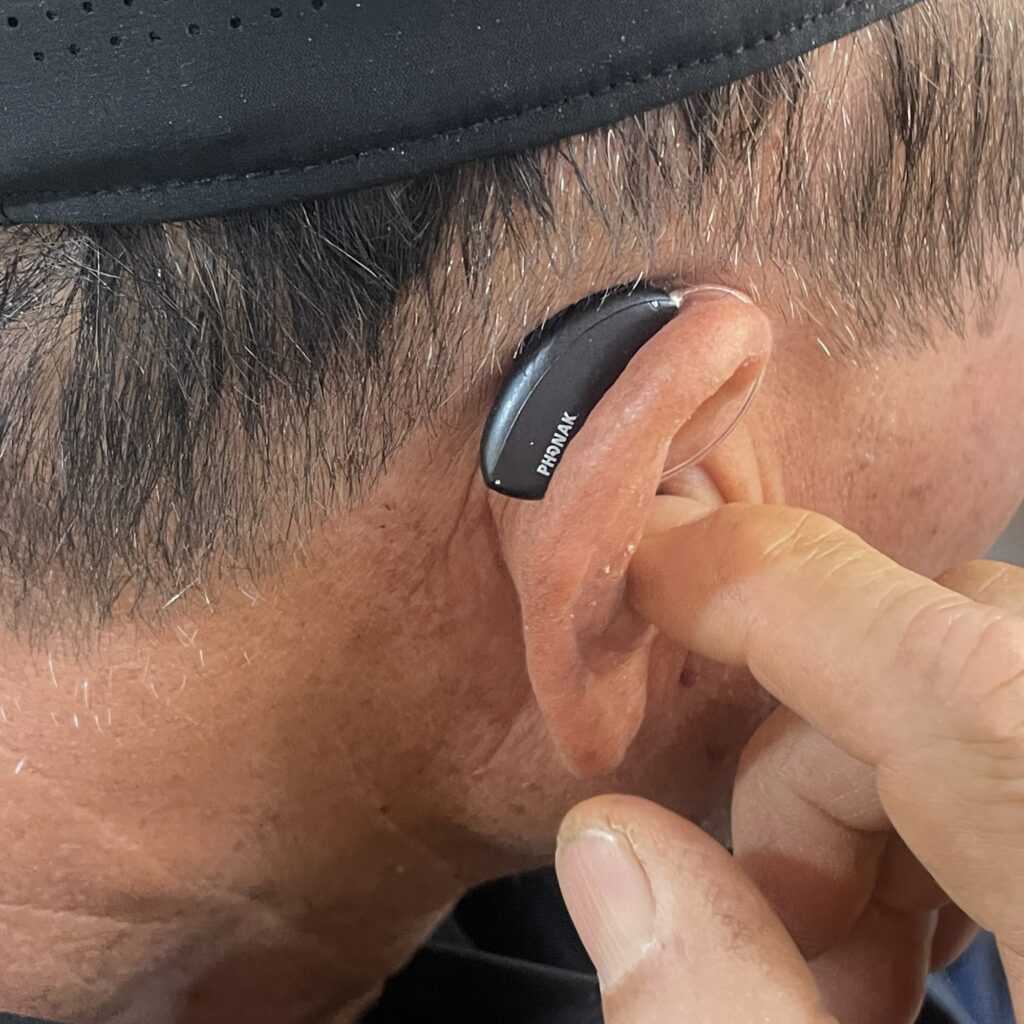
2. Evaluating Performance Categories Across Different Percentage Ranges
Understanding your specific percentage score helps set realistic speech processing expectations. Therefore, audiologists analyze these clinical metrics very carefully before choosing models.
First, scores above eighty percent ensure effortless casual daily communication outcomes.
In addition, middle scores require advanced automatic background noise suppression filters.
Furthermore, low scores demand combined lip reading practice and speech emphasis technology.
3. Preserving Neural Auditory Pathways Through Early Intervention
Leaving severe hearing loss untreated degrades your brain speech understanding capacity continuously. Therefore, stimulating your auditory nerves early prevents permanent cognitive speech decay.
Therefore, modern digital processors enhance soft consonant sounds for better clarity.
Furthermore, scheduling routine annual speech evaluations tracks your neural recovery rates.
Ultimately, maintaining strong speech recognition skills will secure your long-term communication happiness.
-
Air vs Bone Conduction: 3 Key Differences in Hearing Tests
Do you know why audiologists test your hearing using two different devices? These clinical methods examine distinct physical pathways inside your ear canal. Moreover, comparing both measurements determines the exact type of your hearing loss. Consequently, understanding these basic diagnostics helps you select optimal rehabilitation programs. In this expert guide, you will learn essential audiology rules.
1. Assessing Total Ear Functionality Through Air Conduction
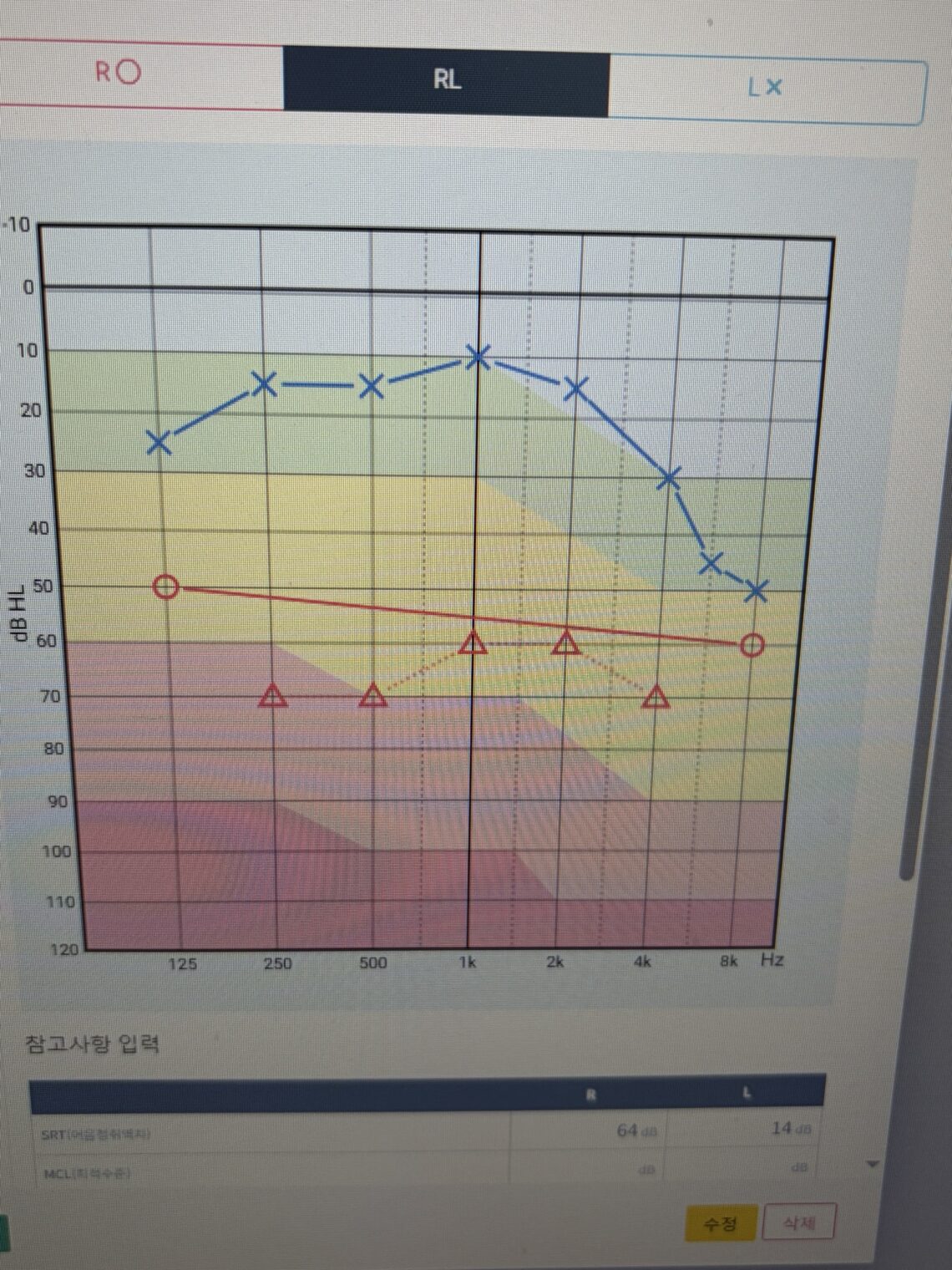
Air conduction testing measures how sound waves travel through your entire ear. Therefore, patients wear standard headphones to listen to various pure tones.
Moreover, the signal passes through the eardrum and middle ear space.
Consequently, this baseline test captures your overall daily hearing sensitivity levels.
In addition, it cannot isolate mechanical blockages from nerve damage independently.
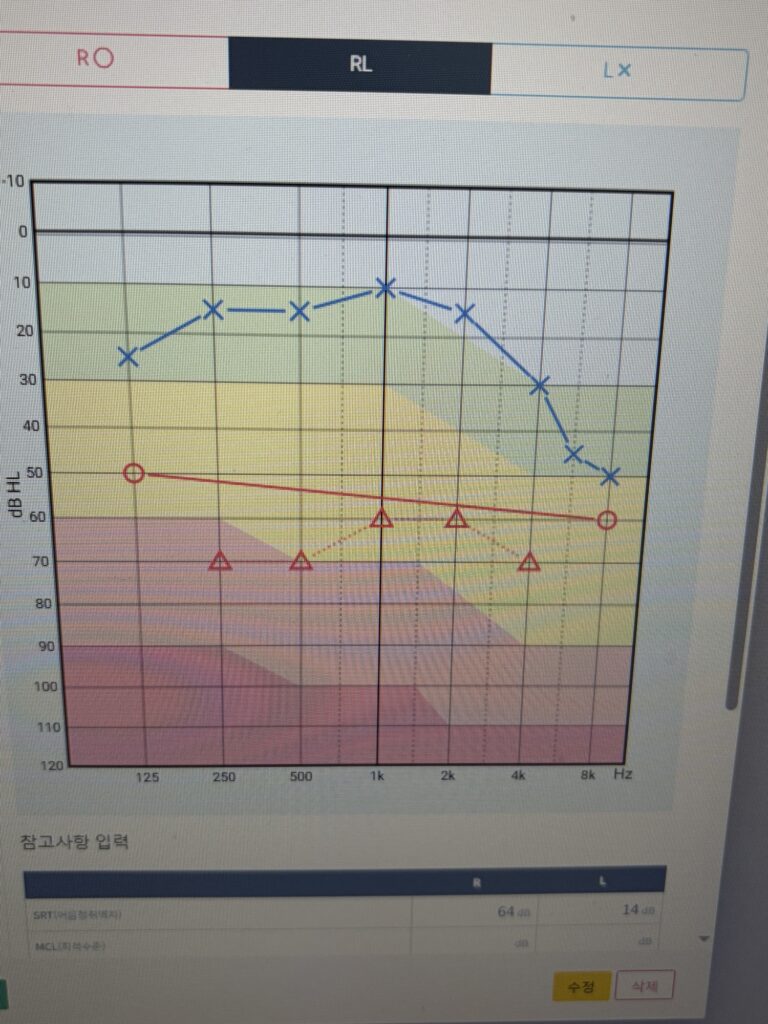
2. Measuring Inner Cochlea Vitality via Bone Conduction
Bone conduction bypasses your eardrum completely by vibrating your skull bone. Therefore, technicians place a small metal oscillator tightly behind your ear.
First, this deep vibration stimulates the fluid inside your cochlea directly.
In addition, it measures the pure health of your auditory nerves accurately.
Furthermore, this method reveals your true organic sensory potential without blockages.
3. Diagnosing Hearing Loss Types Using Inter-Test Gaps
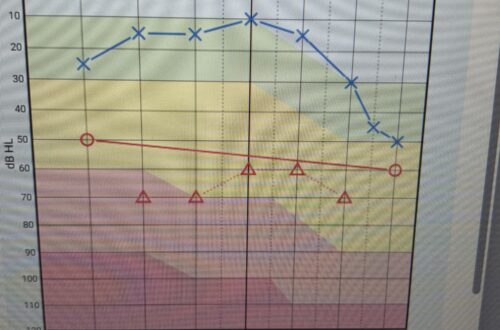
The physical threshold gap between both tests identifies your specific pathology. Therefore, certified specialists analyze these diagnostic differences very carefully before fittings.
Therefore, matching scores indicate age-related nerve damage or sensory degradation.
Furthermore, wide gaps suggest treatable outer ear infections or fluid accumulation.
Ultimately, acquiring precise diagnostic charts will secure your long-term communication happiness.
-
Hearing Test Masking: 3 Reasons Why It Secures Accurate Results
Do you know why audiologists play static noises during professional hearing evaluations? This clinical process is officially called auditory masking. Moreover, it prevents your stronger ear from assisting your weaker side continuously. Consequently, performing exact masking calculations is critical for standard diagnostic mapping success. In this expert guide, you will learn essential audiology rules.
1. Preventing Cross Hearing Echoes Through Cranial Bones
Sound waves can travel across your skull bones into opposite ear systems. Therefore, very loud acoustic signals easily vibrate the hard cranial structure.
Moreover, this biological crossover phenomenon is technically called cross hearing.
Consequently, a healthy side might answer tests meant for damaged sides.
In addition, this error creates highly inaccurate fraudulent pure-tone audiogram charts.
2. Using Specialized Static Noises to Isolate Target Ears
Audiologists introduce specific static noises to distract the non-test ear temporarily. Therefore, this action blocks the healthy side from catching bleeding sounds.
First, narrow band noise isolates the target evaluation zones perfectly.
In addition, it forces the poorer ear to answer entirely independently.
Furthermore, this strict separation reveals your true genuine physical hearing thresholds.
3. Securing Flawless Digital Software Fitting Configurations
Inaccurate diagnosis charts lead to dangerous digital hearing aid software adjustments. Therefore, verifying precise data points preserves your residual sensory health safely.
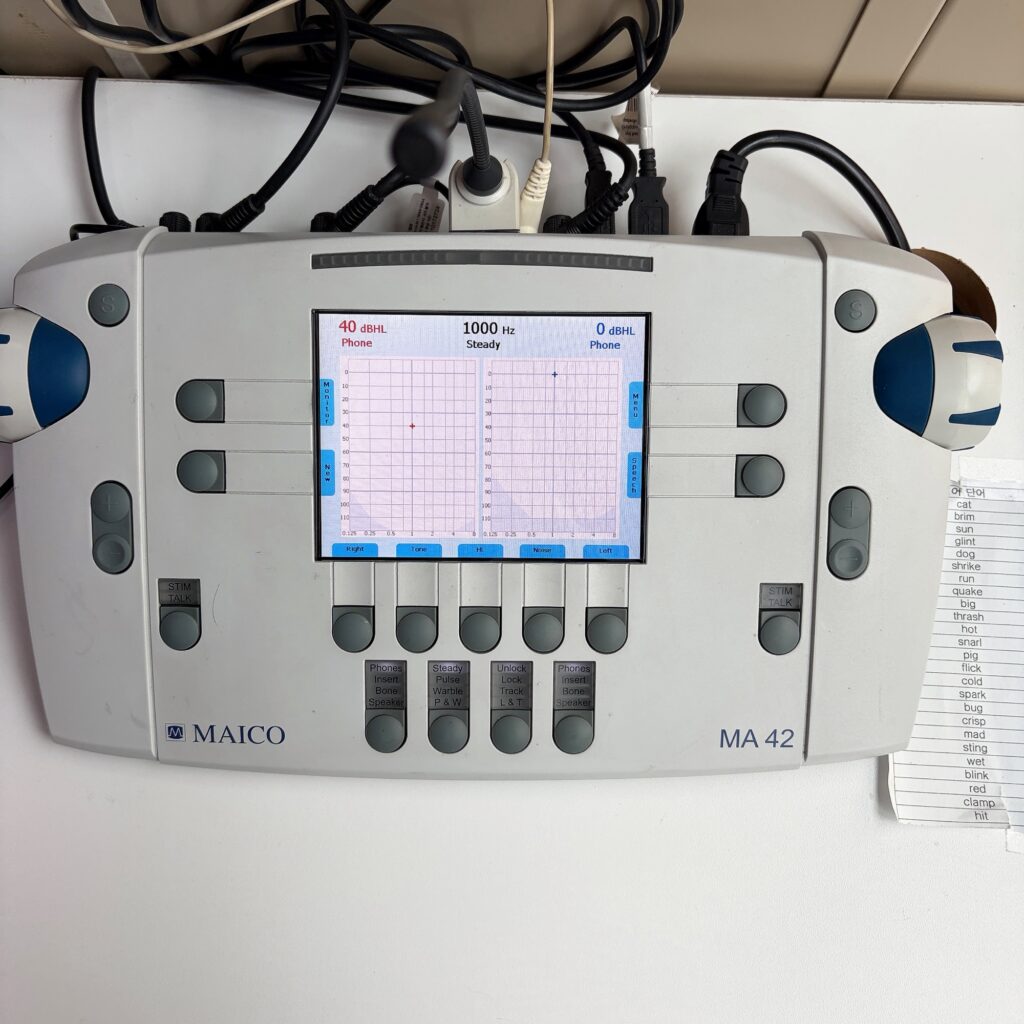
Therefore, faulty programming can cause painful sound distortions inside your head.
Furthermore, professional clinical execution dictates exact mathematical masking formula applications.
Ultimately, choosing meticulous testing centers will secure your long-term communication happiness.
-
Hearing Aid Adaptation
Do you expect instant perfect speech clarity right after purchasing devices? Hearing aids require a strategic neural adaptation timeline for human brains. Moreover, your cognitive centers must relearn how to filter background noises. Consequently, jumping into crowded spaces too early causes heavy mental headaches. In this professional guide, you will learn the step-by-step rehabilitation rules.
1. Week One: Practicing Inside Quiet Indoor Home Environments
First-time users should avoid noisy outdoor public environments during early stages. Therefore, wearing your new digital equipment inside quiet rooms is crucial.
Moreover, limit your initial daily wearing duration to two hours maximum.
Consequently, you can prevent sudden physical ear fatigue or skin soreness.
In addition, practice listening to simple ticking clocks to stimulate your brain.
2. Week Two to Three: Engaging in One-on-One Family Conversations
Gradually expand your daily wearing hours to five hours every day. Therefore, practicing focused communication with your close relatives improves word understanding.
First, look directly at the speaker’s face to read lip movements.
In addition, listen to clear television news reports at low volumes carefully.
Furthermore, dynamic brain cells will automatically recalibrate the sound priority rankings.
3. Week Four and Beyond: Entering Light Outdoor Social Environments
After one month, you can finally enjoy casual outdoor walking routines safely. Therefore, exploring local parks exposes your hearing nerves to natural environments.
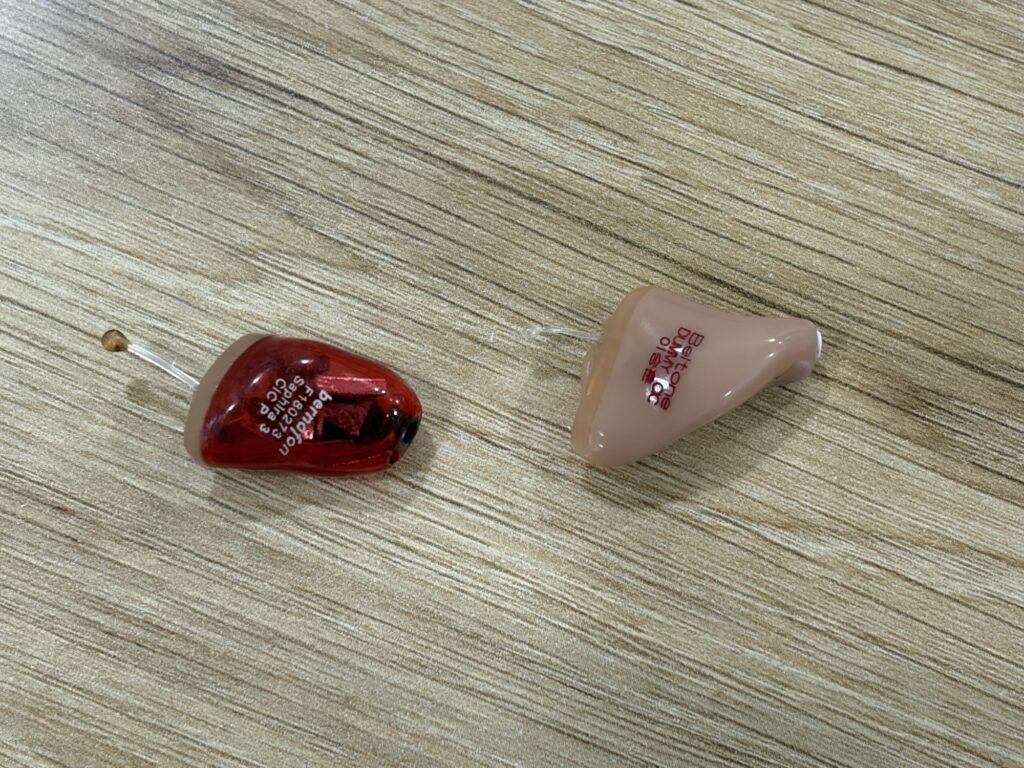
Therefore, wipe your devices constantly to remove incoming summer sweat residues.
Furthermore, schedule a professional follow-up fitting session at a certified clinic.
Ultimately, receiving micro-software calibration adjustments will secure your long-term communication happiness.
-
Binaural Hearing Aids
Do you prefer wearing a single hearing device to save your budget? Many beginners choose one-sided amplification due to initial costs or visual shyness. However, your brain naturally requires balancing audio signals from both human ears. Consequently, one-sided usage can lower your overall communication quality and verbal understanding heavily. In this professional guide, you will learn the incredible scientific benefits of binaural fittings.
1. Recovering Sound Localization and Suppressing Annoying Tinnitus
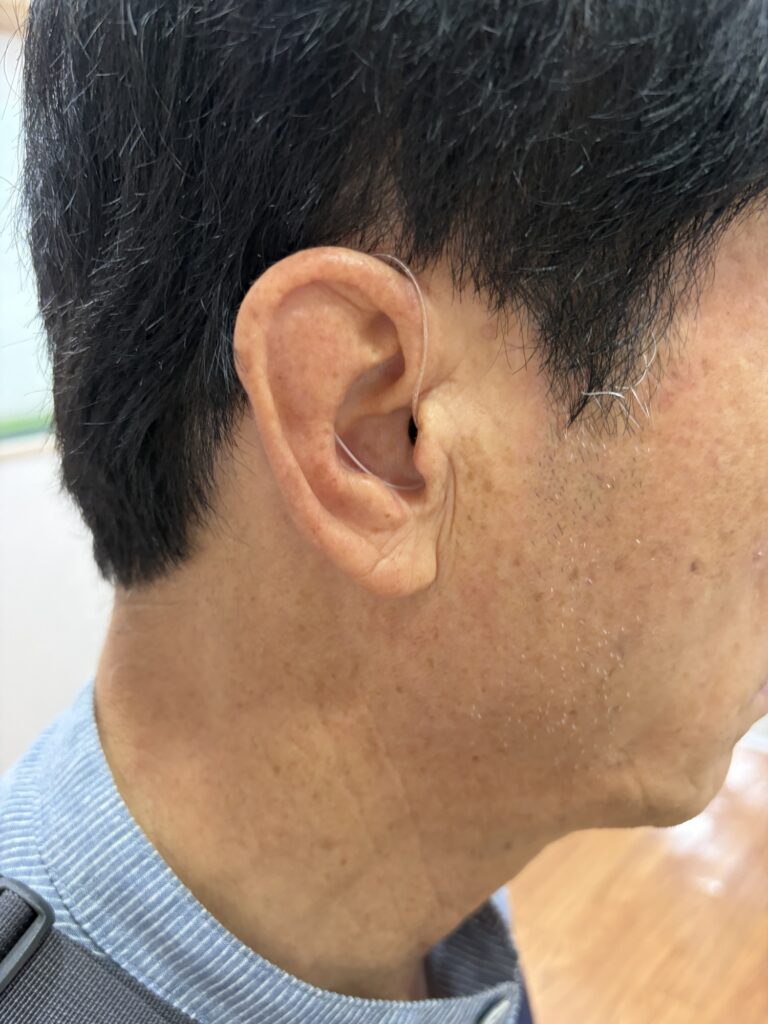
Wearing dual devices allows your cognitive system to recognize sound locations accurately instantly. Therefore, you can identify approaching vehicles or distant calling voices without dangerous confusion.
Moreover, balanced acoustic inputs reduce phantom sound perceptions inside your head.
Consequently, binaural stimulation minimizes frustrating chronic tinnitus symptoms very naturally.
In addition, routine professional software fitting micro-adjustments will maintain perfect stereo balance.
2. Reducing Listening Fatigue and Improving Speech Clarity
Listening through a single device in noisy social gatherings creates immense mental stress. Therefore, your mind gets tired quickly while trying to filter out complex environmental dynamics.
First, dual amplification utilizes natural head shadow effects to isolate human speech.
In addition, it increases speech clarity significantly inside crowded local restaurants.
Furthermore, lowering your everyday conversational effort preserves your valuable mental stamina perfectly.
3. Preventing Auditory Deprivation and Protecting Brain Health
If you leave one ear damaged without proper stimulation, the auditory nerve will deteriorate. Thus, your neural ability to understand words drops permanently over time.
Therefore, wearing devices on both sides protects your secondary ear from fading.
Furthermore, continuous bilateral sensory inputs stimulate your memory centers actively.
Ultimately, selecting next-generation premium pairs will maximize your long-term cognitive happiness.
-
Waterpark with Hearing Aids
Are you planning a fun summer beach vacation with your family? Playing in water requires highly careful medical equipment management habits. Moreover, salty seawater and chemical pool chlorine can corrode internal microchips instantly. Consequently, learning proper waterproofing strategies is essential to save your expensive budget. In this professional guide, you will learn secure holiday protection steps.
1. Removing and Storing Your Devices Before Swimming
You should always take off your equipment before entering public pools. Many users jump into deep water without realizing they are wearing devices.
Moreover, store the removed items inside cool indoor lockers immediately.
Consequently, you can block hot direct sunlight exposures on vehicle dashboards.
In addition, keeping them inside padded dry storage cases prevents accidental drops.
2. Mandatory Protective Gear If You Must Keep Them On
Some individuals require continuous auditory assistance due to severe hearing loss symptoms. Therefore, you must establish reliable physical barriers to block incoming water splashes.
First, choose next-generation premium models with official certified waterproof ratings.
In addition, wear tight silicone swimming caps to cover your ears completely.
Furthermore, use specialized neoprene headbands to prevent sudden equipment loss under waves.
3. Immediate Emergency Response Rules for Sudden Submersion
If your digital device falls into deep water accidentally, you must act fast. Following the chronological order will prevent permanent internal short circuits successfully.
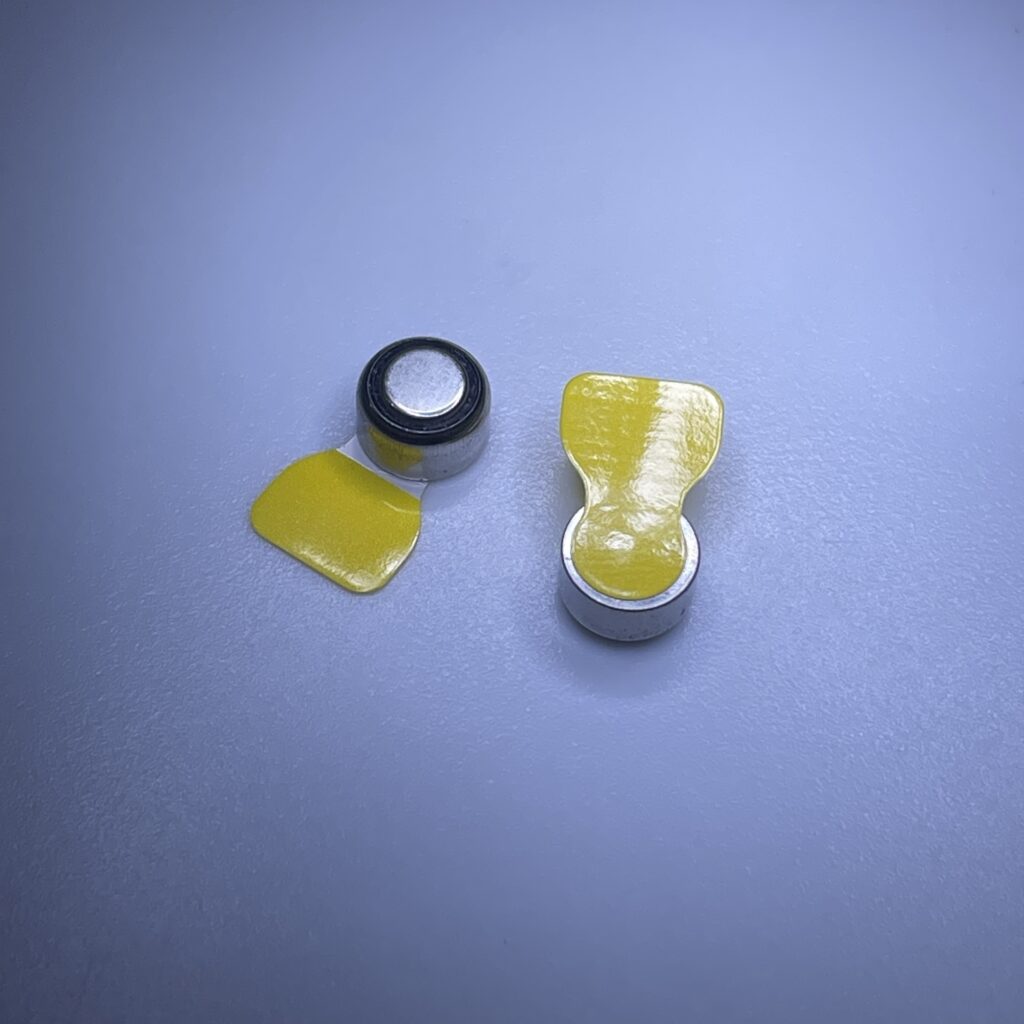
Therefore, power off the system and remove disposable zinc-air cells immediately.
Furthermore, never use hot hair dryers because intense thermal heat melts plastic.
Ultimately, bringing the machine to a certified technician ensures professional drying recovery.
-
Rechargeable vs Battery Hearing Aids
Are you trying to choose a new hearing aid type? Many people worry about the power supply options before purchasing devices. However, making a smart decision is very simple if you check your daily habits. Consequently, your choice will determine your long-term communication comfort and equipment maintenance budget. In this professional guide, you will learn the exact details without confusing charts.
1. The Real Benefits of Rechargeable Models
Rechargeable hearing aids offer incredible everyday convenience for modern busy users. Therefore, you just place them inside a sleek charging station overnight for full-day operations. Moreover, this modern seamless design completely eliminates the annoying need to buy tiny zinc-air batteries constantly. Consequently, it is the perfect low-maintenance solution for fragile seniors with poor eyesight or severe arthritis. In addition, these devices have no battery doors on their outer shells. Therefore, sweat or moisture cannot enter the delicate digital microchips easily. Thus, choosing a rechargeable option reduces device repair costs and daily mechanical stress effectively.
2. The Reliable Advantages of Battery-Powered Models
In contrast, traditional battery-powered models provide unmatched flexibility for highly active lifestyles. These time-tested devices run on small disposable batteries that you replace every few days. Furthermore, you do not need to carry a bulky charging dock during long international trips. If the power dies suddenly during outdoor activities, you can swap the battery within one minute. Therefore, this reliable option is excellent for people who spend a lot of time traveling. In addition, the initial purchase cost of these models is relatively cheap. Thus, you can save your immediate medical treatment budget while enjoying crisp sound quality.
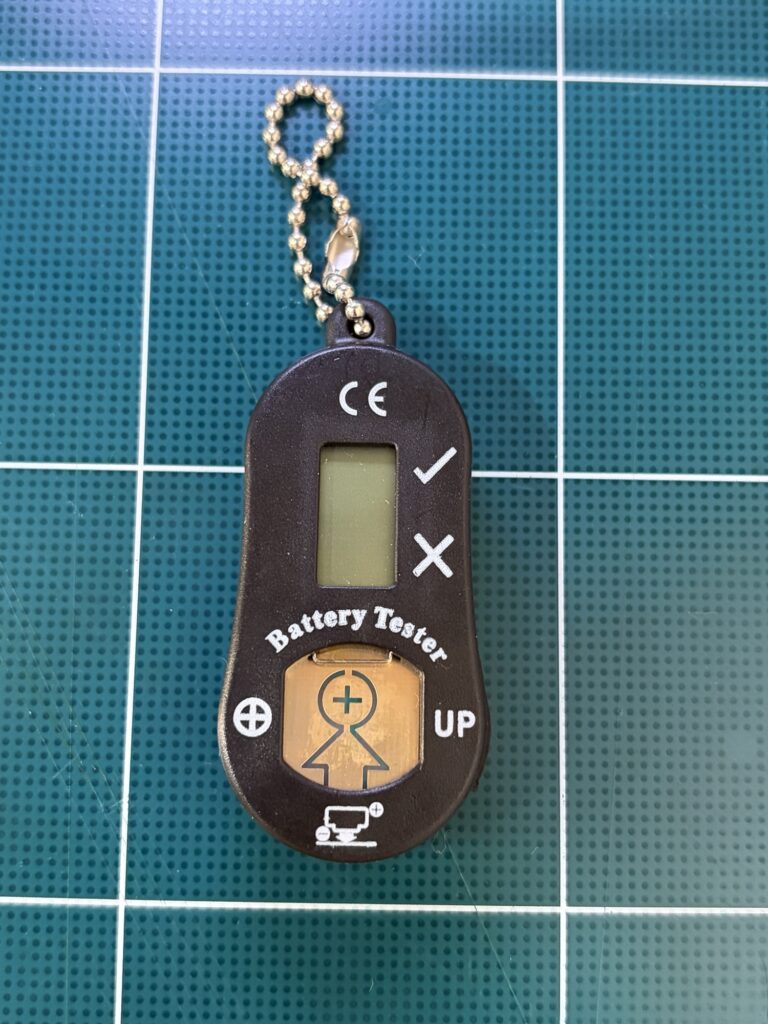
3. How to Make the Best Choice for Your Ears
Ultimately, your physical dexterity and daily routines must determine your final purchasing choice. You should evaluate your handling skills carefully before spending money on premium technology. First, choose a rechargeable device if you prefer automated low-maintenance healthcare equipment. Second, select a traditional battery model if you want portability and lower initial product prices. Consequently, consulting with a certified audiologist will ensure you receive the most comfortable fit for your ears.
-
Senior Hearing Aid Subsidy
Are you looking for government financial support for your family? Purchasing premium medical devices can be a heavy financial burden. However, qualified registered disabled individuals can receive a substantial subsidy up to 1.31 million KRW. Consequently, understanding the official administration process is very important to save your budget. In this professional guide, you will learn the exact steps easily.
1. Who Qualifies for the Government Financial Subsidy
To receive this valuable financial benefit, you must complete your official hearing disability registration first. Therefore, a proper medical evaluation by a certified doctor is an essential requirement.
Moreover, the National Health Insurance service provides up to 90% of the total equipment cost.
Consequently, low-income families or medical aid recipients can claim 100% full coverage.
In addition, this incredible benefit is available once every five years for a single device.
2. The Step-by-Step Application Process Explained
You must collect several required administrative documents from different locations carefully. Following the chronological order will prevent any sudden delays or rejections.
First, visit an ENT clinic to obtain your official device prescription.
In addition, purchase a registered government-approved model from a certified center.
Furthermore, wait exactly one month to get your final device verification document from the hospital.
3. Critical Expert Tips for a Successful Reimbursement
Many users make technical mistakes during their waiting period and lose their eligibility. Therefore, you must check your calendar timeline very strictly.
Therefore, never visit the doctor for your final checkup before the 30-day wear period ends.
Furthermore, always verify if your chosen model is on the official government subsidy list.

Ultimately, submitting these precise documents to the insurance corporation will secure your cash refund safely.