Hearing Aid Occlusion Effect
Does your own voice sound hollow like inside a cave? This uncomfortable echoing phenomenon is called the acoustic occlusion effect. Moreover, sealing your ear canal traps low-frequency voice vibrations inside. Consequently, modifying physical ear mold vents stops booming voice echoes immediately. In this expert guide, you will learn practical solutions.
1. Adjusting Physical Ear Mold Vents To Release Trapped Low-Frequency Sound
Physical vent holes allow trapped acoustic voice vibrations to escape. Therefore, widening vent diameters reduces internal low-frequency booming echo instantly.
Moreover, proper ventilation pressure balances internal ear canal airflow smoothly.
Consequently, users experience lighter natural-sounding personal spoken voice tones.
In addition, venting prevents moisture buildup inside sealed ear canals.
2. Switching To Open-Fit Domes For Maximum Acoustic Ear Canal Comfort
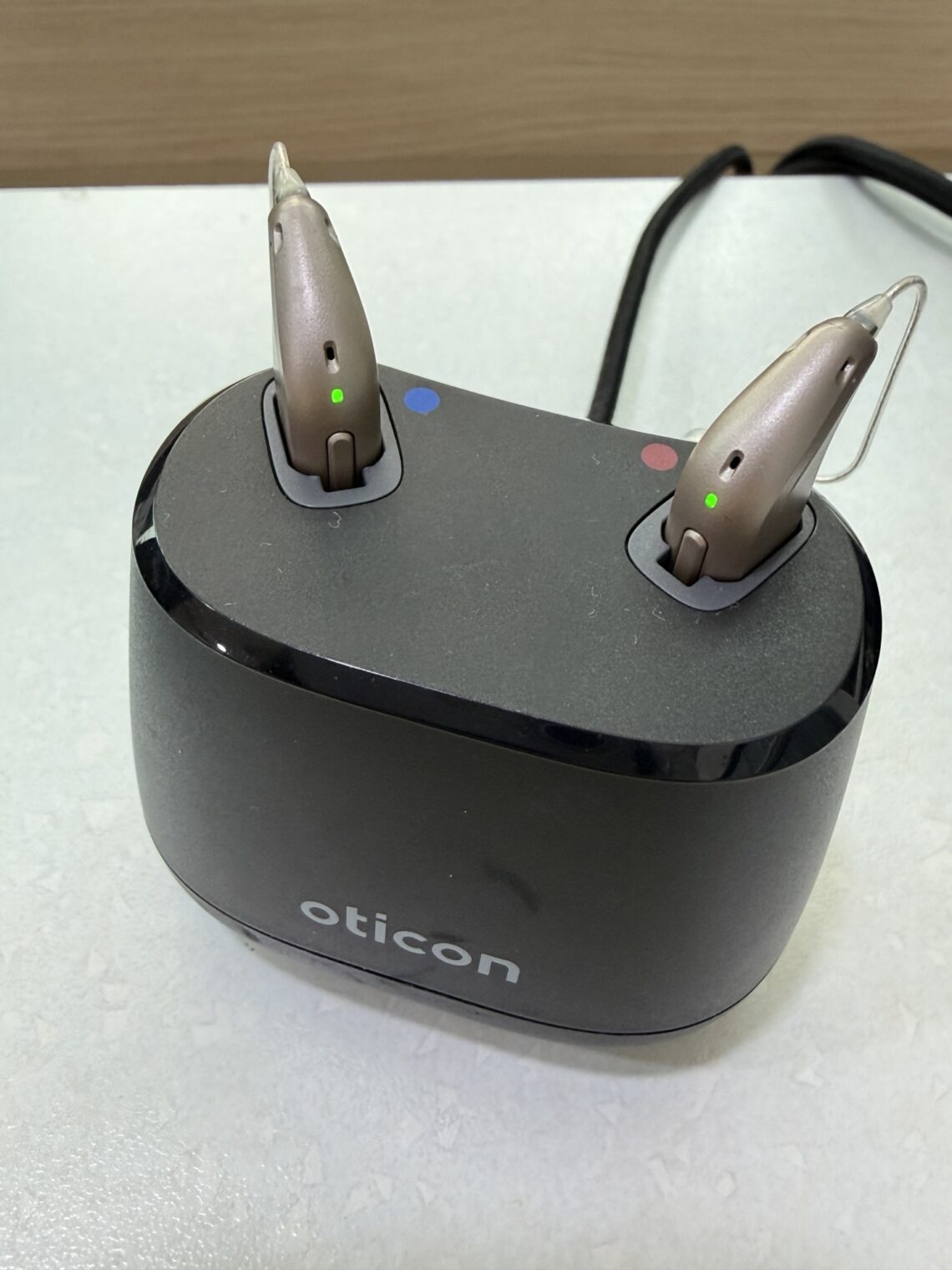
Open-fit receiver-in-canal devices keep physical ear canal openings unblocked. Therefore, open domes eliminate tight physical occlusion feelings completely.
First, open design domes allow natural low-frequency sound pass-through.
In addition, open fittings suit users with high-frequency hearing loss.
Furthermore, lightweight open ear tips enhance overall daily wearing comfort.
3. Fine-Tuning Low-Frequency Gain Settings To Speed Up Neural Adaptation
Auditory brain pathways adapt to changed personal voice tones gradually. Therefore, audiologists lower low-frequency gain settings during clinical fitting sessions.
Therefore, practicing daily reading aloud speeds up brain voice habituation.
Furthermore, precise software gain adjustments reduce unnatural hollow vocal sounds.
Ultimately, achieving natural comfortable voice balance guarantees lifelong happiness.