Hearing Aid
Explore various types of hearing aids and the latest technology to improve your hearing quality.
-
Hearing Aid Lifespan
Do you know the exact lifespan of your hearing care device? Generally, most premium models last between four and five years. However, your daily maintenance habits can change this duration dramatically. Consequently, using an outdated device can lower your communication quality and brain health. In this expert guide, you will learn when to upgrade your technology safely.

1. The Average Lifespan of Modern Devices
Global manufacturers design their electronic devices with highly durable components. Therefore, you can expect stable performance for several years with proper care.
Moreover, blocking daily moisture and earwax will extend the component lifespan.
Consequently, regular professional cleanings protect the fragile internal microchips perfectly.
In addition, neglecting basic care will cause sudden corrosion within three years.
2. Critical Signs That Indicate Replacement Time
You must monitor your device performance carefully to protect your ears. Many users suffer from weak sound volumes without realizing the cause.
First, your current model cannot receive official repair parts due to discontinuation.
In addition, your personal hearing loss has worsened and requires more acoustic power.
Furthermore, frequent technical breakdowns increase your monthly maintenance budget heavily.
3. Great Benefits of Upgrading to New Technology
Audiology technology evolves rapidly just like modern smartphone software features. Therefore, upgrading to a premium model will provide incredible lifestyle improvements.
Moreover, new artificial intelligence chips optimize speech clarity in noisy places.
Thus, advanced Bluetooth connectivity ensures seamless streaming with your smart television.
Ultimately, choosing a next-generation device will maximize your daily social happiness.
-
Hearing Aid Occlusion Effect 3 Ways to Stop Echo
Do you feel a strange echo in your ears? Many new users notice a hollow sound when they speak. However, this echoing sensation is a very common issue. Consequently, medical experts call this phenomenon the occlusion effect. In this guide, you will learn the exact causes and fast solutions.
1. Why Your Voice Echoes in Your Ears
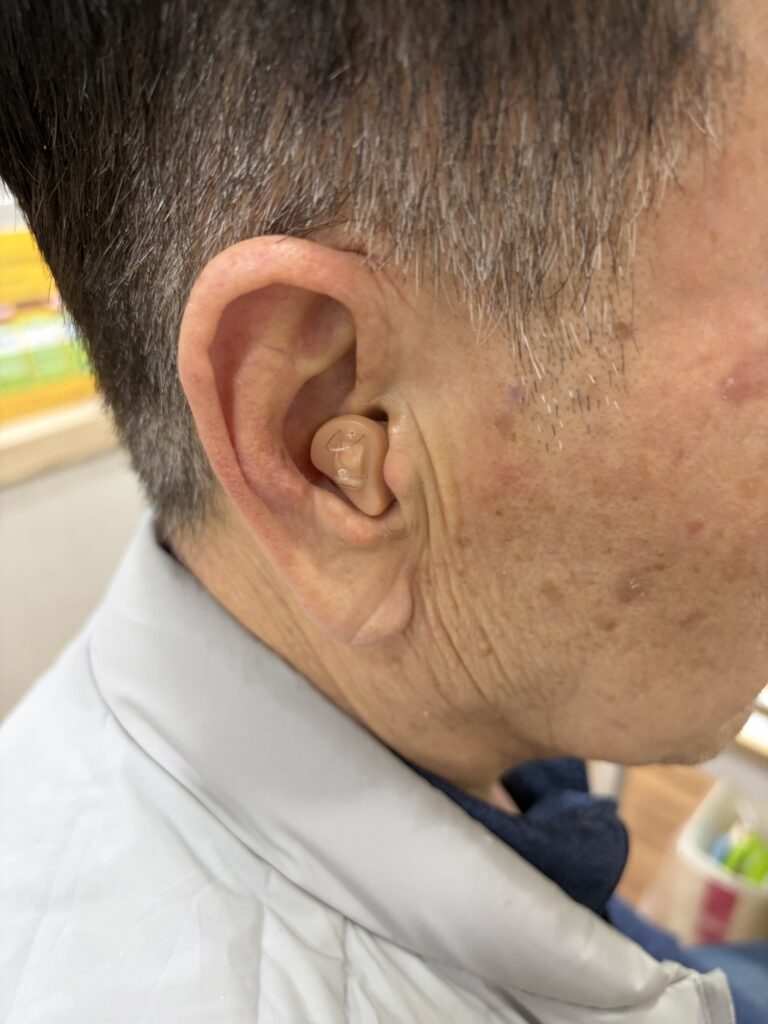
The occlusion effect occurs when a device blocks your ear canal. This blockage changes how you perceive your own voice.
Moreover, low-frequency sound vibrations get trapped inside your ear.
Consequently, these trapped sounds bounce back to your eardrum.
Therefore, you hear an annoying booming sound when you talk.
2. Best Ways to Fix the Echoing Sound
You can solve this uncomfortable issue very easily with professional help. You do not need to suffer from this pressure.
First, your audiologist can make a small vent hole in the device.
In addition, changing to an open-fit style can eliminate the block completely.
Furthermore, a precise software adjustment will lower your voice frequency instantly.
3. How to Train Your Brain Efficiently
Patience is the most important factor during the first month. Your brain needs time to accept new acoustic data.
Moreover, you should practice speaking out loud in a quiet room.
Thus, increasing your daily wear time slowly will ensure the best comfort.
Ultimately, your mind will adapt to the device, and the echo will disappear.
-
Hearing Aid Brands Comparison : 3 Best Options
Are you looking for the best hearing aid brand? Choosing the right manufacturer is very important for your budget.
Therefore, you must compare Beltone, Oticon, and Phonak carefully. In this ultimate guide, you will learn the critical differences between these three major brands.
1. Beltone: Best for Natural Sound
Beltone is famous for its smooth sound quality. Many users choose this brand for daily comfort.
Moreover, their advanced software removes background noise instantly.
Consequently, you can hear speech clearly even in crowded places.
In addition, their smartphone app is highly intuitive. Therefore, tech-shy seniors can use it easily.

2. Oticon: Best for Brain HealthOticon focuses on a special technology called BrainHearing. This technology helps your brain process sounds naturally.
Furthermore, this unique approach reduces mental fatigue during long conversations.
Consequently, it supports your cognitive function effectively.
Thus, Oticon is the perfect choice for busy office meetings.
3. Phonak: Best for Power and Durability
Phonak holds the number one market share worldwide. They offer incredible power for severe hearing loss.
In addition, their waterproof design ensures great durability.
Therefore, you can enjoy outdoor activities without worrying about sweat.
Ultimately, this robust reliability will save your device repair costs.
Choosing the right hearing aid brand requires careful research. Many people make hasty decisions based only on price. However, you must prioritize your individual hearing loss type and daily lifestyle. Consequently, understanding the unique technology of Beltone, Oticon, and Phonak is the most important step for your ears.
Therefore, you should schedule a professional hearing test to find your exact needs.
In addition, always compare the sound quality and smartphone connectivity of each manufacturer.
Furthermore, dynamic features like waterproof design or brain support can improve your comfort.
Ultimately, selecting the best brand will protect your long-term communication and personal happiness.
-
Rechargeable vs Battery Hearing Aids: Full Buyer’s Guide
Are you trying to choose the right hearing aid type? Today, you must decide between rechargeable models and traditional zinc-air battery models. Both options have distinct pros and cons regarding convenience and cost. However, making the wrong choice can lead to daily frustration. In this comprehensive guide, you will learn the exact differences to make a smart purchase.
1. The Benefits of Rechargeable Hearing Aids
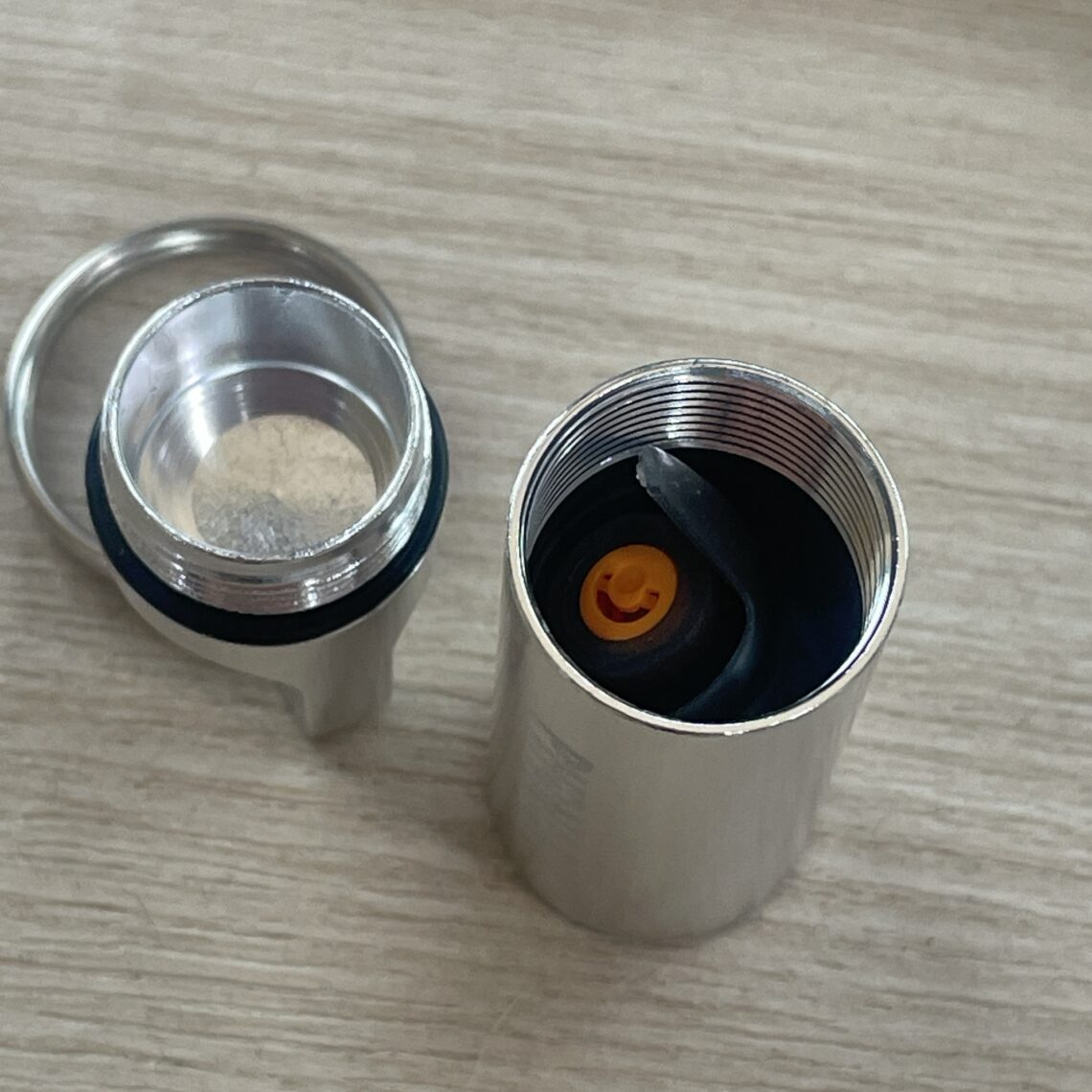
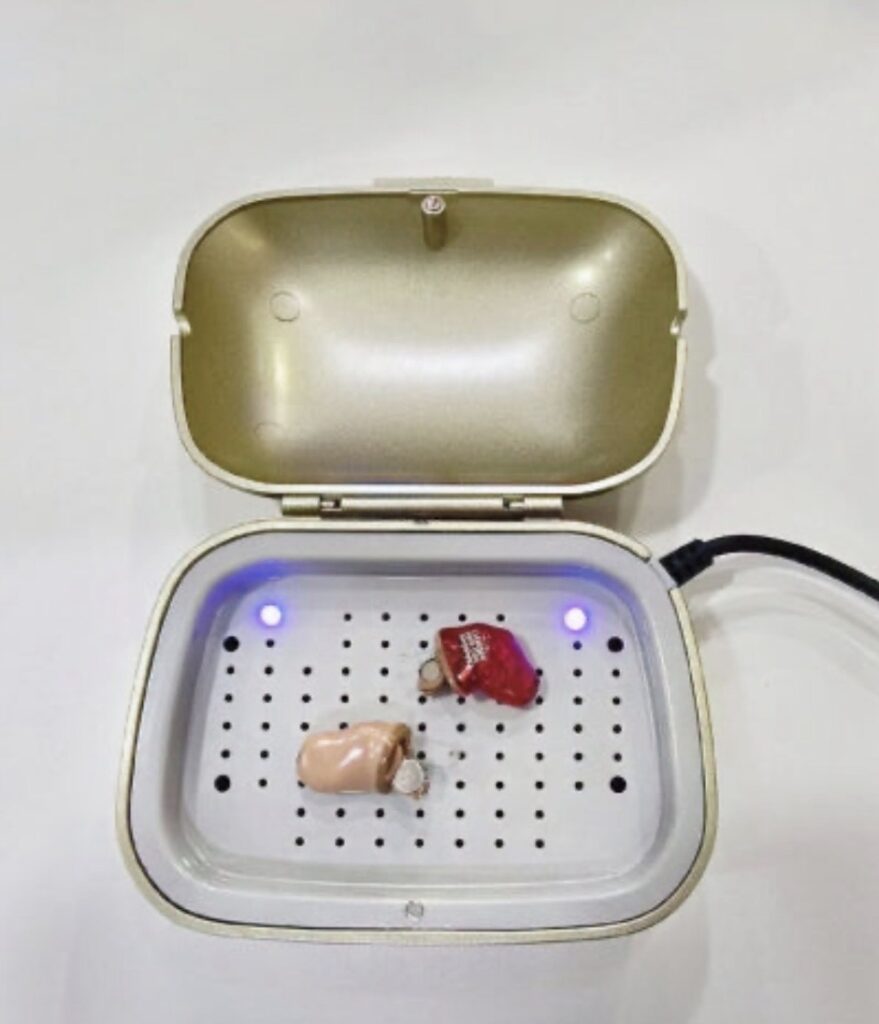
Rechargeable hearing aids offer incredible convenience for modern users. You simply place them in a charging station overnight for full-day use.
Moreover, this design eliminates the need to buy and change tiny batteries constantly.
Consequently, it is the perfect solution for seniors with poor eyesight or arthritis.
Therefore, choosing a rechargeable model reduces daily stress and improves your overall user experience.
2. The Benefits of Battery-Powered Hearing Aids
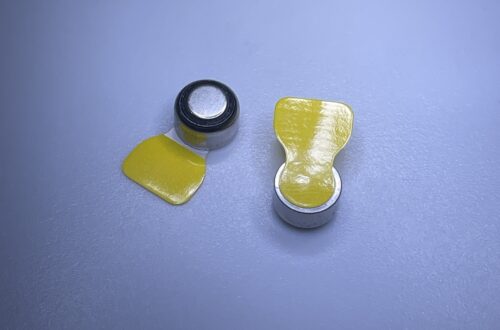
In contrast, traditional battery-powered models provide unmatched flexibility for active lifestyles. They run on small disposable batteries that you replace every few days.
In addition, you do not need to carry a bulky charging dock during long trips.
Furthermore, if the power dies, you can swap the battery in just one minute.
Thus, this option is highly reliable for people who spend a lot of time outdoors.
3. How to Make Your Final Decision
Ultimately, your physical dexterity and daily routine should determine your choice. You must evaluate your lifestyle carefully before spending money.
First, choose a rechargeable device if you prefer low-maintenance technology.
Second, select a battery model if you want a lower initial purchase cost.
Consequently, consulting with a certified audiologist will ensure you get the best fit for your ears.
-
Senior hearing aid subsidy, How to get government financial support
Are you worried about the high cost of hearing aids? Fortunately, many governments offer substantial financial support for seniors with hearing loss. This financial aid can reduce your out-of-pocket expenses dramatically. However, the application process requires specific medical documents and steps. In this guide, you will learn the exact steps to claim your government subsidy easily.
1. Step 1: Get a Professional Hearing Assessment
The process always begins with a proper medical diagnosis. You must schedule a formal test with a certified ENT doctor.
• First, the doctor will perform a series of pure-tone and speech audiometry tests.
• Consequently, these results will officially determine the severity of your hearing loss.
• Therefore, you must keep all medical charts and certificates for the final application.
2. Step 2: Choose an Approved Hearing Aid Model
You cannot just buy any device from an online store. To qualify for the subsidy, you must purchase a government-approved model.
• Moreover, you need to get an official prescription from your doctor before buying.
• In addition, you should visit a licensed hearing center to choose the right fit.
• Thus, buying an approved model ensures your eligibility for the financial refund.
3. Step 3: File the Claim for Your Cash Refund
After purchasing the device, you must submit your final paperwork to the health insurance corporation.
• First, you must use the device for at least one month.
• Second, you need a follow-up medical check to prove the device is working well for you.
• Finally, you submit the receipts and certificates to the government office. Consequently, the subsidy will be deposited directly into your bank account.
-
Can hearing aids prevent dementia? Here are three of the best ways to protect your brain.
Can a hearing aid save your memory?
Many people think hearing loss is just a natural part of aging. However, this is a dangerous mistake. Untreated hearing loss actually increases your risk of dementia. In fact, medical experts now call hearing aids “brain protectors.” In this post, you will learn how to keep your brain sharp and healthy.
1. Why Hearing Loss Leads to DementiaHearing loss hurts your brain in three specific ways. Understanding these links is very important for your health.
• First, your brain needs constant sound stimulation. Consequently, without it, the sound-processing areas start to shrink.
• Second, talking with others becomes very difficult. Therefore, many seniors stay home alone. This isolation is a major trigger for rapid memory loss.
• Third, your brain struggles to hear speech. As a result, the brain has no energy left for thinking or remembering.
2. How Hearing Aids Reduce the Risk
Research shows that hearing aids are very powerful tools. They are the best way to stop cognitive decline today.
• Moreover, these devices keep your neural pathways active.
• For example, regular users show a 48% slower rate of memory loss.
• In addition, better hearing leads to more social activities. This active lifestyle naturally keeps your mind young.
3. Act Fast Before It Is Too LateTiming is the most important factor in brain health. You must act before your brain “forgets” how to process speech.
• Moreover, if you wait too many years, your brain loses its power.
• Thus, you should get a professional test if you ask “What?” too often. Early action ensures the best results for your long-term mental health.
Therefore, you should schedule regular hearing tests with a certified audiologist. -
Can Hearing Aids Prevent Demetia?
It is common to dismiss age-related hearing loss as just a natural part of growing older. However, recent medical studies suggest that ignoring hearing loss does more than just make things quieter—it significantly impacts brain health and the risk of developing dementia. Today, hearing aids should be viewed as more than just sound amplifiers; they are “brain protection devices” that preserve cognitive function.
In this post, we will explore the scientific link between hearing loss and dementia, and how wearing hearing aids can effectively reduce those risks.
1. Three Scientific Reasons Why Hearing Loss Raises Dementia Risk
Hearing loss and dementia are closely linked through brain stimulation and cognitive load.
• Brain Atrophy: When the brain stops receiving sound stimulation, the areas responsible for processing sound begin to shrink, leading to a rapid decline in cognitive function.
• Social Isolation: Difficulty in communication often leads people to avoid social gatherings. This isolation is a major trigger for depression and dementia.
• Cognitive Overload: The brain spends excessive energy trying to decode muffled sounds, leaving fewer resources for memory and critical thinking.
2. The Impact of Hearing Aids on Reducing Dementia Rates
Extensive data proves that using hearing aids is one of the most effective non-invasive ways to prevent dementia.
By wearing hearing aids, consistent auditory stimulation is sent to the brain, preventing cell atrophy. According to a large-scale clinical study, participants who actively used hearing aids showed a 48% slower rate of cognitive decline compared to those who did not. Improved communication also encourages social activity, which naturally boosts brain vitality.
3. Don’t Miss the “Golden Time” for Treatment
To maximize the benefits, it is crucial to start wearing hearing aids before “auditory deprivation” sets in.
If hearing loss is left untreated for years, the brain may eventually lose its ability to recognize speech, even with the help of a device. If you find yourself increasing the TV volume or frequently asking people to repeat themselves, it is time for a professional hearing test. Early intervention ensures a faster adaptation period and better brain preservation.
4. Smart Choices to Reduce Financial Burden
You don’t always need the most expensive model to reap the benefits of dementia prevention.
The key is to choose a device that fits your specific hearing level and lifestyle (e.g., quiet home life vs. active social life). Utilizing government subsidies or visiting fixed-price clinics can significantly lower your out-of-pocket costs while still providing high-quality technology. Ultimately, a smart purchase protects both your brain health and your wallet.

💡 Expert Advice: Regular Check-ups Every 6 Months
Even with hearing aids, your hearing can change over time. Visit a professional every six months to monitor your hearing levels and have your devices “re-fitted” (fine-tuned). Constant, optimized sound stimulation is the secret to long-term dementia prevention.