Occlusion Effect: 3 Ways
Do you feel your own voice sounds hollow inside your head? This common physical phenomenon is officially called the occlusion effect. Moreover, blocking your ear canals traps low-frequency vocal vibration energy inside. Consequently, understanding these acoustic principles helps you overcome initial adaptation frustration. In this expert guide, you will learn practical solutions.
1. Understanding trapped Vocal Vibrations Inside Sealed Canal Spaces
Speaking produces deep bone vibrations that travel toward your ear canals naturally. Therefore, unblocked ears release these excess vocal sounds into outer air seamlessly.
Moreover, plugging canals traps low-pitch sound waves inside completely.
Consequently, these trapped vibrations bounce back against your eardrums directly.
In addition, users with good low-frequency hearing feel stronger hollow echoing.
2. Creating Ventilation Channels Using Specialized Venting Options
Adding small ventilation pathways releases trapped internal air pressures effectively. Therefore, acoustic vents allow low vibrations to escape outer ear openings.
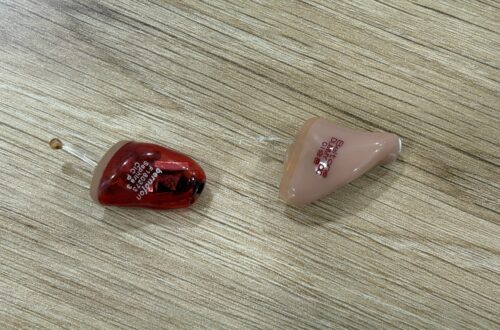
First, custom in-the-ear models require precise mechanical ventilation holes.
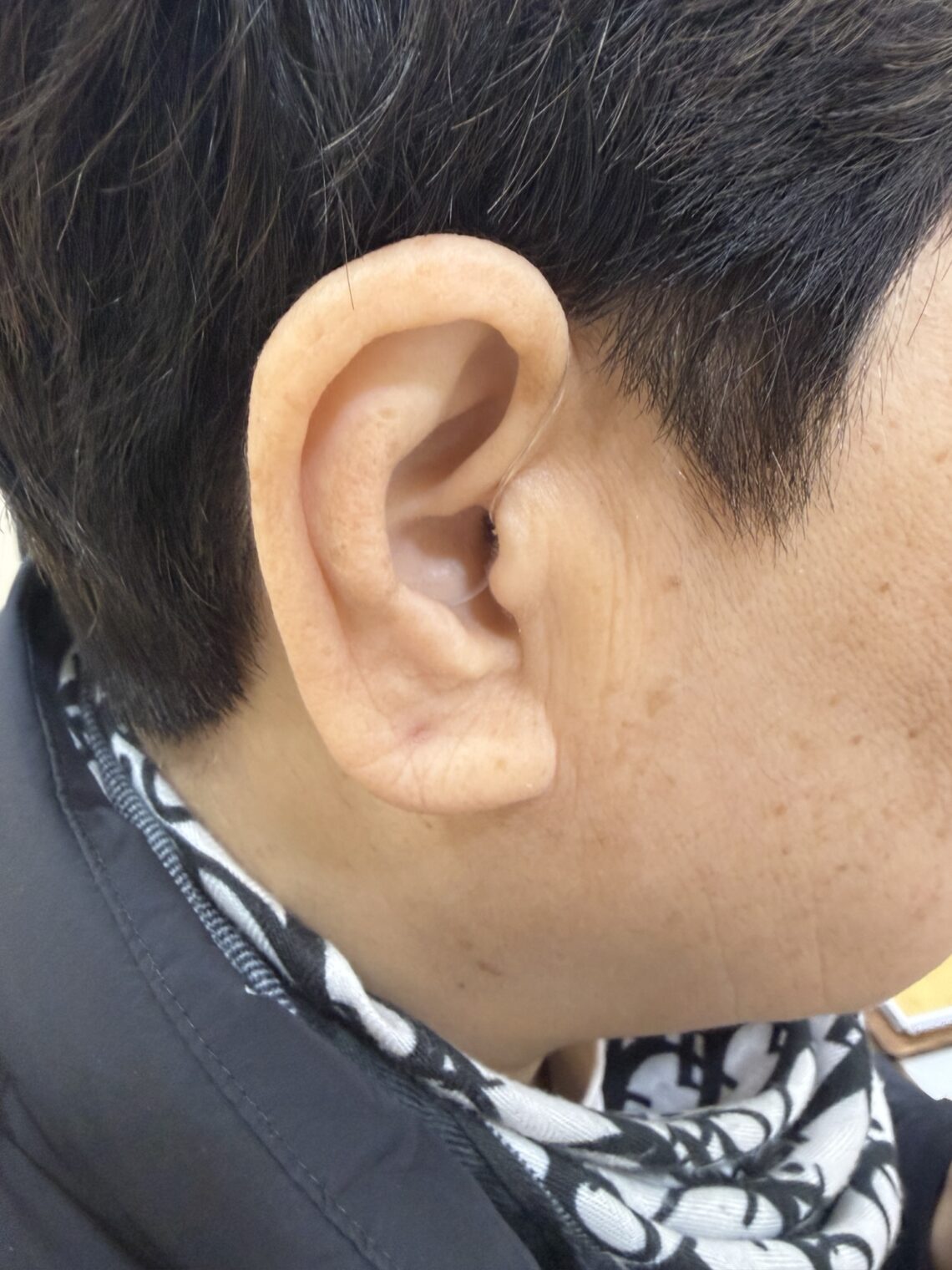
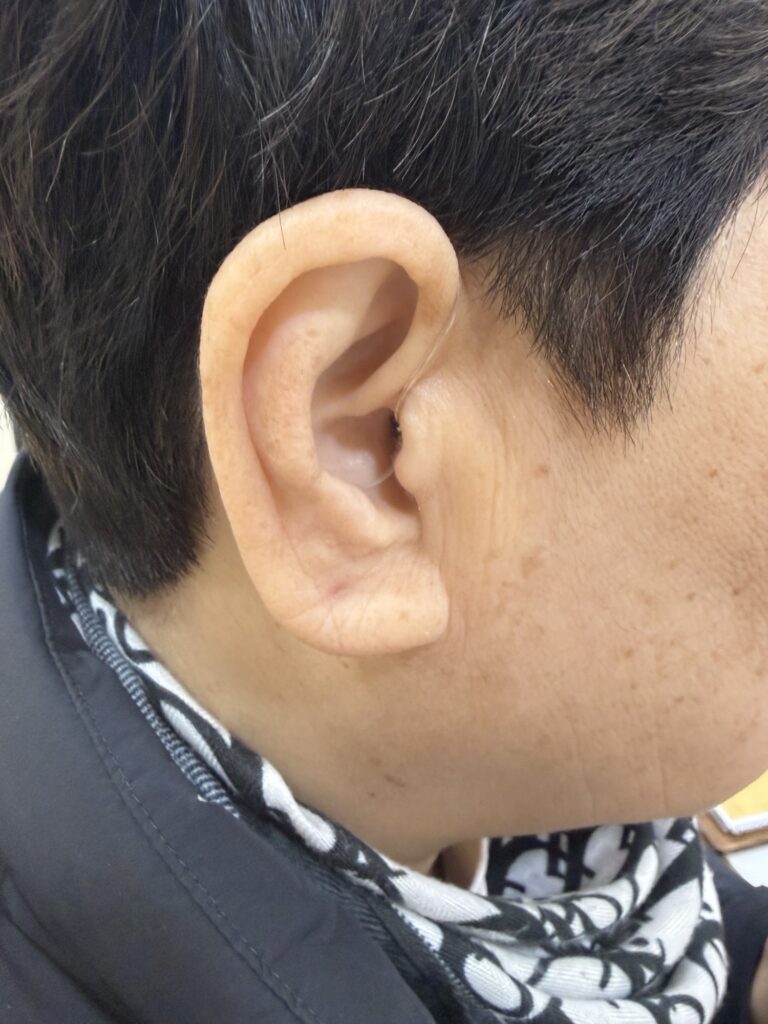
In addition, receiver-in-canal devices utilize open silicone dome tips.
Furthermore, equalizing internal ear pressure restores natural speech sound qualities.
3. Applying Modern Software Calibration for Natural Speech Clarity
Adjusting advanced digital processor settings reduces annoying internal echoing sensations. Therefore, certified specialists recalibrate low-frequency volume amplification levels.
Therefore, modern algorithms process user voices separately from external sounds.
Furthermore, switching to open-fit styles offers instant physical relief.
Ultimately, receiving micro-software adjustments will secure your long-term happiness.