Hearing Aid Fitting Steps: 3 Reasons
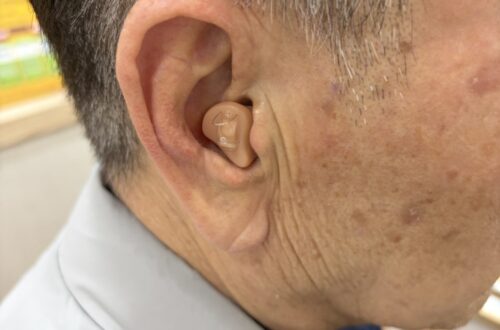
Do your new hearing aids sound echoing or unnaturally sharp? Buying digital hearing instruments requires essential professional follow-up sound fittings. Moreover, your brain needs gradual adjustment periods for new sounds. Consequently, scheduling regular fine-tuning sessions optimizes overall speech clarity. In this expert guide, you will learn essential fitting steps.
1. Easing Brain Pressure During Initial Wear Through Gentle Volume Settings
First-time wearers experience mental fatigue from sudden ambient sound exposure. Therefore, audiologists set initial sound gain to lower targets first.
Moreover, soft initial volume settings prevent early acoustic brain overload.
Consequently, users adapt comfortably inside quiet home indoor rooms first.
In addition, gradual volume increases build daily wearing stamina smoothly.
2. Customizing Frequency Gains Based On Real-World User Listening Experiences
Wearing devices outdoors reveals specific uncomfortable acoustic sound issues daily. Therefore, specialists adjust frequency gain settings using real data logs.
First, fine-tuning reduces annoying voice occlusion and internal echoing.
In addition, updating noise reduction algorithms improves outdoor conversation clarity.
Furthermore, customized sound profiles enhance overall personal listening comfort.
3. Recalibrating Sound Output Regularly To Match Changing Personal Hearing Thresholds
Human hearing thresholds change naturally over long periods of time. Therefore, conducting annual audiometric re-examinations keeps target amplification accurate.
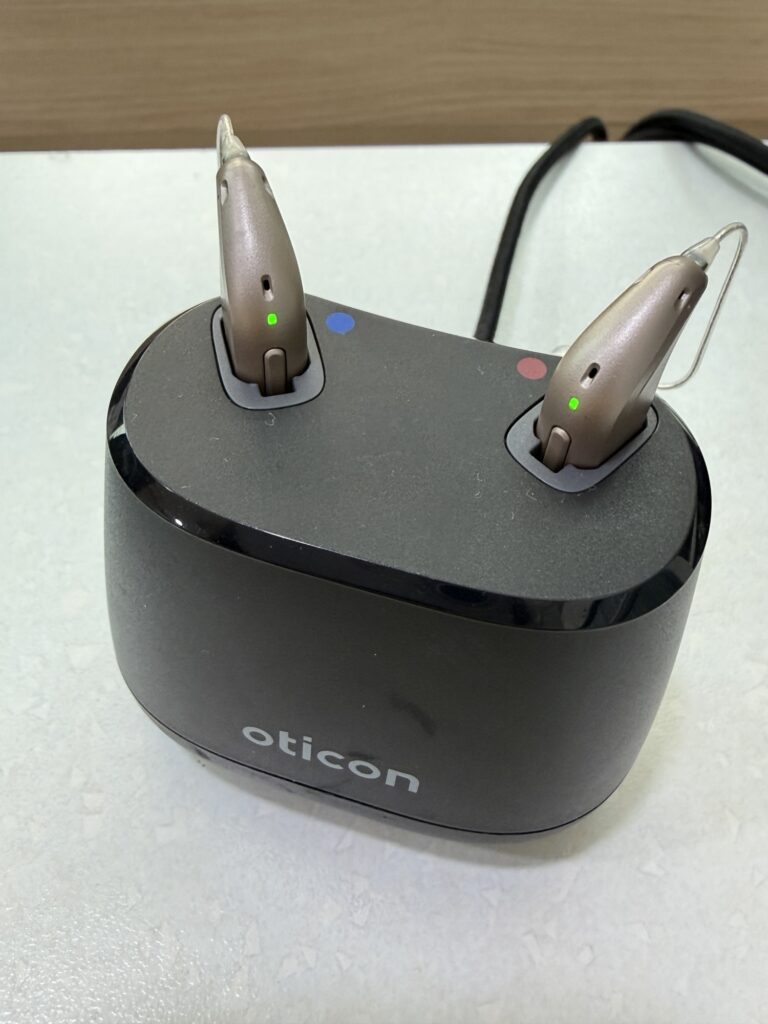
Therefore, regular clinical checkups ensure optimal long-term acoustic performance.
Furthermore, updating software targets extends overall equipment operational lifespan.
Ultimately, maintaining accurate fitting targets guarantees absolute lifelong happiness.