Importance Of Regular Hearing Aid Fitting: 3 Reasons To Recalibrate
Do you feel daily conversation speech clarity decreased over recent months? Understanding the importance of regular hearing aid fitting restores optimal sound transparency continuously. Moreover, human hearing thresholds change gradually over long wearing periods naturally. Consequently, scheduling the importance of regular hearing aid fitting optimizes lifetime speech recognition. In this expert guide, you will learn essential sound recalibration reasons.
1. Recognizing Why Human Hearing Thresholds Require Routine Recalibration Checks
Natural progressive age-related hearing changes alter daily frequency gain needs. Therefore, appreciating the importance of regular hearing aid fitting protects neural health.
Moreover, sound processing gains increase step-by-step as auditory brains adapt.
Consequently, users experience far less acoustic listening strain during daily chats.
In addition, updating audiometric thresholds prevents unwanted overamplification issues.
2. Identifying Critical Signs Indicating Immediate Sound Fitting Adjustment Needs
Noticing faint speech sounds signals urgent clinical audiometric re-evaluation needs. Therefore, acknowledging the importance of regular hearing aid fitting resolves daily frustration.
First, clean hearing devices producing weak sounds require software gain increases.
In addition, sharp environmental background clutters indicate excessive high-frequency setup settings.
Furthermore, muffled vocal speech consonants require precise software frequency fine-tuning.
3. Maintaining Consistent Clinical Audiological Follow-Up Schedules Long-Term
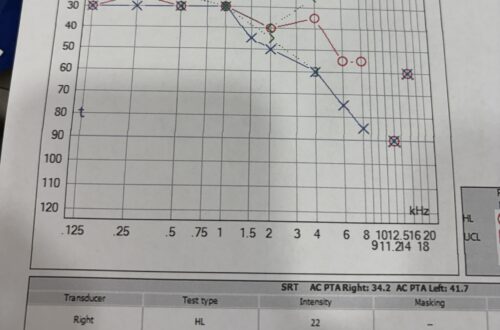
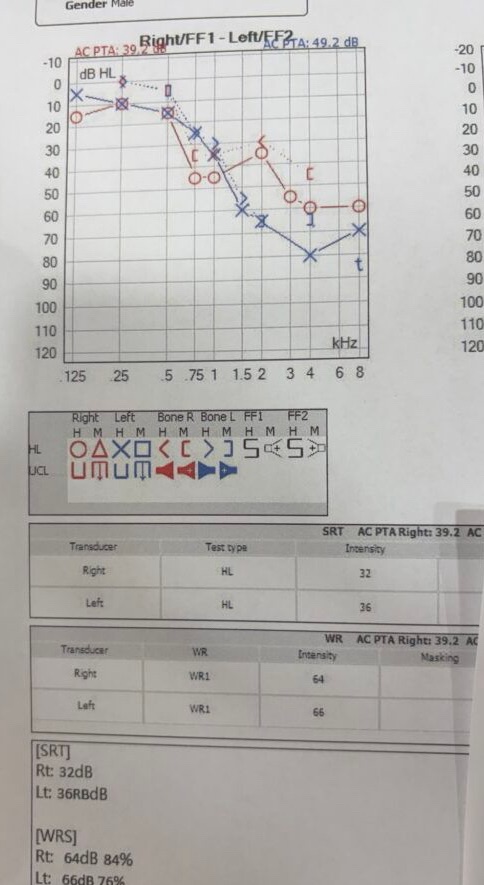
Scheduling comprehensive audiometric testing every six months ensures continuous performance. Therefore, practicing the importance of regular hearing aid fitting guarantees success always.
Therefore, visit your certified hearing center for routine yearly audiogram tests.
Furthermore, exploring our wax guard replacement tips guide keeps receiver ports clean.
Ultimately, maintaining precise acoustic calibration guarantees absolute lifelong happiness always.
Scheduling regular sound fitting adjustments ensures optimal long-term speech understanding. While initial device programming provides immediate improvement, your hearing ability and auditory brain processing adapt over time. However, neglecting periodic audiometric checkups can lead to listening fatigue and unaddressed hearing changes. Consequently, visiting your certified audiologist every six to twelve months is the most practical strategy.
Therefore, test your hearing thresholds annually to update digital fitting formulas.
In addition, request fine-tuning whenever background noise overwhelms target speech.
Furthermore, keep physical receiver ports clean before attending your fitting session.
Ultimately, maintaining calibrated acoustic settings will guarantee your absolute lifelong happiness.