Hearing Aid
Explore various types of hearing aids and the latest technology to improve your hearing quality.
-
Senior hearing aid subsidy, How to get government financial support
Are you worried about the high cost of hearing aids? Fortunately, many governments offer substantial financial support for seniors with hearing loss. This financial aid can reduce your out-of-pocket expenses dramatically. However, the application process requires specific medical documents and steps. In this guide, you will learn the exact steps to claim your government subsidy easily.
1. Step 1: Get a Professional Hearing Assessment
The process always begins with a proper medical diagnosis. You must schedule a formal test with a certified ENT doctor.
• First, the doctor will perform a series of pure-tone and speech audiometry tests.
• Consequently, these results will officially determine the severity of your hearing loss.
• Therefore, you must keep all medical charts and certificates for the final application.
2. Step 2: Choose an Approved Hearing Aid Model
You cannot just buy any device from an online store. To qualify for the subsidy, you must purchase a government-approved model.
• Moreover, you need to get an official prescription from your doctor before buying.
• In addition, you should visit a licensed hearing center to choose the right fit.
• Thus, buying an approved model ensures your eligibility for the financial refund.
3. Step 3: File the Claim for Your Cash Refund
After purchasing the device, you must submit your final paperwork to the health insurance corporation.
• First, you must use the device for at least one month.
• Second, you need a follow-up medical check to prove the device is working well for you.
• Finally, you submit the receipts and certificates to the government office. Consequently, the subsidy will be deposited directly into your bank account.
-
Can hearing aids prevent dementia? Here are three of the best ways to protect your brain.
Can a hearing aid save your memory?
Many people think hearing loss is just a natural part of aging. However, this is a dangerous mistake. Untreated hearing loss actually increases your risk of dementia. In fact, medical experts now call hearing aids “brain protectors.” In this post, you will learn how to keep your brain sharp and healthy.
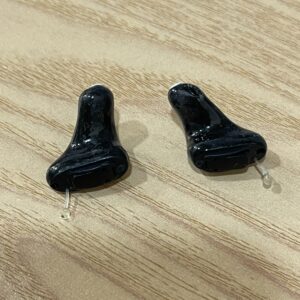
1. Why Hearing Loss Leads to DementiaHearing loss hurts your brain in three specific ways. Understanding these links is very important for your health.
• First, your brain needs constant sound stimulation. Consequently, without it, the sound-processing areas start to shrink.
• Second, talking with others becomes very difficult. Therefore, many seniors stay home alone. This isolation is a major trigger for rapid memory loss.
• Third, your brain struggles to hear speech. As a result, the brain has no energy left for thinking or remembering.
2. How Hearing Aids Reduce the Risk
Research shows that hearing aids are very powerful tools. They are the best way to stop cognitive decline today.
• Moreover, these devices keep your neural pathways active.
• For example, regular users show a 48% slower rate of memory loss.
• In addition, better hearing leads to more social activities. This active lifestyle naturally keeps your mind young.
3. Act Fast Before It Is Too LateTiming is the most important factor in brain health. You must act before your brain “forgets” how to process speech.
• Moreover, if you wait too many years, your brain loses its power.
• Thus, you should get a professional test if you ask “What?” too often. Early action ensures the best results for your long-term mental health.
Therefore, you should schedule regular hearing tests with a certified audiologist. -
Can Hearing Aids Prevent Demetia?
It is common to dismiss age-related hearing loss as just a natural part of growing older. However, recent medical studies suggest that ignoring hearing loss does more than just make things quieter—it significantly impacts brain health and the risk of developing dementia. Today, hearing aids should be viewed as more than just sound amplifiers; they are “brain protection devices” that preserve cognitive function.
In this post, we will explore the scientific link between hearing loss and dementia, and how wearing hearing aids can effectively reduce those risks.
1. Three Scientific Reasons Why Hearing Loss Raises Dementia Risk
Hearing loss and dementia are closely linked through brain stimulation and cognitive load.
• Brain Atrophy: When the brain stops receiving sound stimulation, the areas responsible for processing sound begin to shrink, leading to a rapid decline in cognitive function.
• Social Isolation: Difficulty in communication often leads people to avoid social gatherings. This isolation is a major trigger for depression and dementia.
• Cognitive Overload: The brain spends excessive energy trying to decode muffled sounds, leaving fewer resources for memory and critical thinking.
2. The Impact of Hearing Aids on Reducing Dementia Rates
Extensive data proves that using hearing aids is one of the most effective non-invasive ways to prevent dementia.
By wearing hearing aids, consistent auditory stimulation is sent to the brain, preventing cell atrophy. According to a large-scale clinical study, participants who actively used hearing aids showed a 48% slower rate of cognitive decline compared to those who did not. Improved communication also encourages social activity, which naturally boosts brain vitality.
3. Don’t Miss the “Golden Time” for Treatment
To maximize the benefits, it is crucial to start wearing hearing aids before “auditory deprivation” sets in.
If hearing loss is left untreated for years, the brain may eventually lose its ability to recognize speech, even with the help of a device. If you find yourself increasing the TV volume or frequently asking people to repeat themselves, it is time for a professional hearing test. Early intervention ensures a faster adaptation period and better brain preservation.
4. Smart Choices to Reduce Financial Burden
You don’t always need the most expensive model to reap the benefits of dementia prevention.
The key is to choose a device that fits your specific hearing level and lifestyle (e.g., quiet home life vs. active social life). Utilizing government subsidies or visiting fixed-price clinics can significantly lower your out-of-pocket costs while still providing high-quality technology. Ultimately, a smart purchase protects both your brain health and your wallet.

💡 Expert Advice: Regular Check-ups Every 6 Months
Even with hearing aids, your hearing can change over time. Visit a professional every six months to monitor your hearing levels and have your devices “re-fitted” (fine-tuned). Constant, optimized sound stimulation is the secret to long-term dementia prevention.