Air vs Bone Conduction: 3 Key Differences in Hearing Tests
Do you know why audiologists test your hearing using two different devices? These clinical methods examine distinct physical pathways inside your ear canal. Moreover, comparing both measurements determines the exact type of your hearing loss. Consequently, understanding these basic diagnostics helps you select optimal rehabilitation programs. In this expert guide, you will learn essential audiology rules.
1. Assessing Total Ear Functionality Through Air Conduction
Air conduction testing measures how sound waves travel through your entire ear. Therefore, patients wear standard headphones to listen to various pure tones.
Moreover, the signal passes through the eardrum and middle ear space.
Consequently, this baseline test captures your overall daily hearing sensitivity levels.
In addition, it cannot isolate mechanical blockages from nerve damage independently.
2. Measuring Inner Cochlea Vitality via Bone Conduction
Bone conduction bypasses your eardrum completely by vibrating your skull bone. Therefore, technicians place a small metal oscillator tightly behind your ear.
First, this deep vibration stimulates the fluid inside your cochlea directly.
In addition, it measures the pure health of your auditory nerves accurately.
Furthermore, this method reveals your true organic sensory potential without blockages.
3. Diagnosing Hearing Loss Types Using Inter-Test Gaps
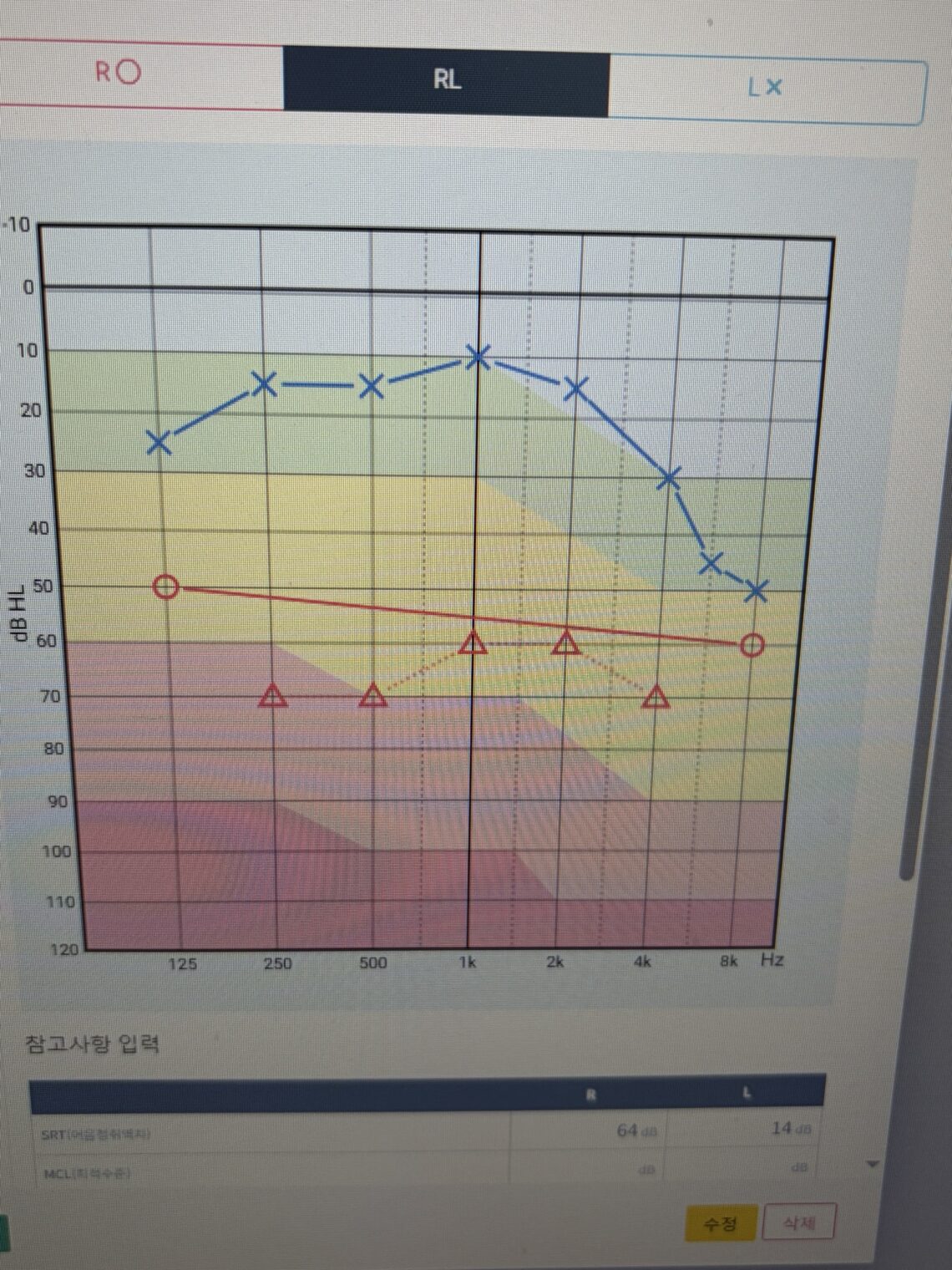
The physical threshold gap between both tests identifies your specific pathology. Therefore, certified specialists analyze these diagnostic differences very carefully before fittings.
Therefore, matching scores indicate age-related nerve damage or sensory degradation.
Furthermore, wide gaps suggest treatable outer ear infections or fluid accumulation.
Ultimately, acquiring precise diagnostic charts will secure your long-term communication happiness.