Hearing Aid Adaptation
Do you expect instant perfect speech clarity right after purchasing devices? Hearing aids require a strategic neural adaptation timeline for human brains. Moreover, your cognitive centers must relearn how to filter background noises. Consequently, jumping into crowded spaces too early causes heavy mental headaches. In this professional guide, you will learn the step-by-step rehabilitation rules.
1. Week One: Practicing Inside Quiet Indoor Home Environments
First-time users should avoid noisy outdoor public environments during early stages. Therefore, wearing your new digital equipment inside quiet rooms is crucial.
Moreover, limit your initial daily wearing duration to two hours maximum.
Consequently, you can prevent sudden physical ear fatigue or skin soreness.
In addition, practice listening to simple ticking clocks to stimulate your brain.
2. Week Two to Three: Engaging in One-on-One Family Conversations
Gradually expand your daily wearing hours to five hours every day. Therefore, practicing focused communication with your close relatives improves word understanding.
First, look directly at the speaker’s face to read lip movements.
In addition, listen to clear television news reports at low volumes carefully.
Furthermore, dynamic brain cells will automatically recalibrate the sound priority rankings.
3. Week Four and Beyond: Entering Light Outdoor Social Environments
After one month, you can finally enjoy casual outdoor walking routines safely. Therefore, exploring local parks exposes your hearing nerves to natural environments.
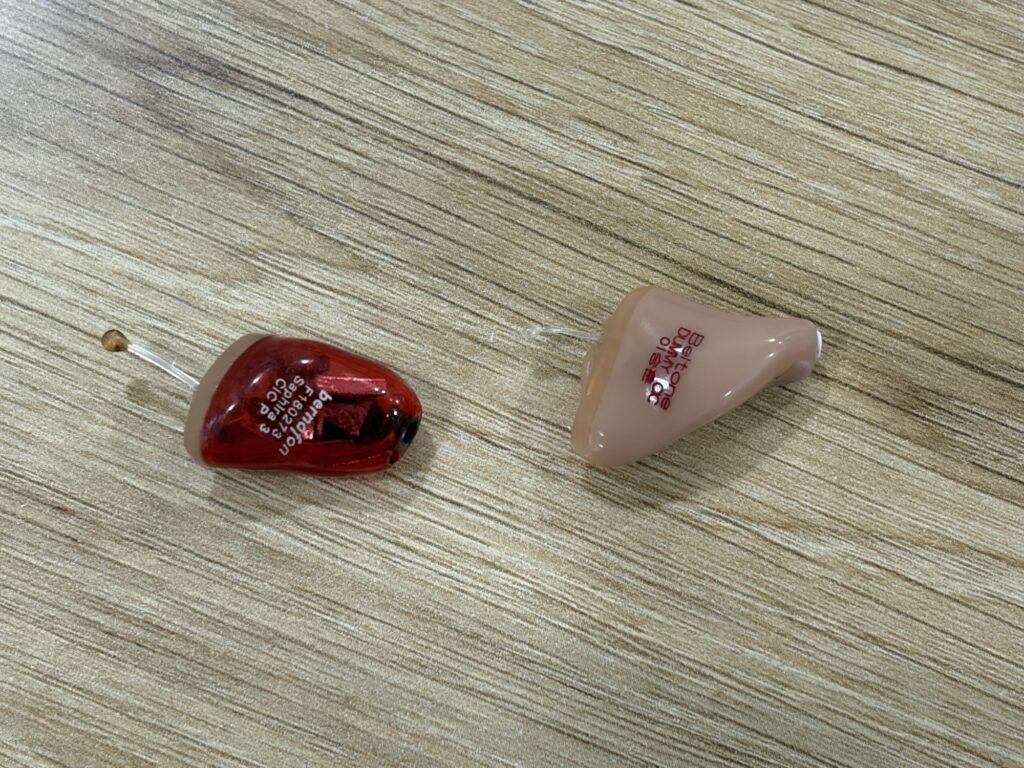
Therefore, wipe your devices constantly to remove incoming summer sweat residues.
Furthermore, schedule a professional follow-up fitting session at a certified clinic.
Ultimately, receiving micro-software calibration adjustments will secure your long-term communication happiness.