Rechargeable vs Battery Hearing Aids: 3 Key Comparisons
Are you confused between modern rechargeable designs and traditional disposable batteries? Choosing your power source impacts your daily technology handling convenient routine. Moreover, each power option provides completely unique lifestyle benefits. Consequently, evaluating physical dexterity and travel habits simplifies your final choice. In this professional guide, you will learn essential comparative rules.
1. Experiencing Maximum Convenience with Modern Rechargeable Models
Lithium rechargeable systems eliminate the need to handle tiny micro-batteries. Therefore, senior users can simply dock devices inside charging cases overnight.
Moreover, the sealed casing prevents internal moisture damage and sweat corrosion.
Consequently, users experience far fewer technical hardware breakdowns over time.
In addition, full charging cycles secure continuous direct Bluetooth audio streaming.
2. Maintaining Absolute Mobility using Traditional Disposable Cells
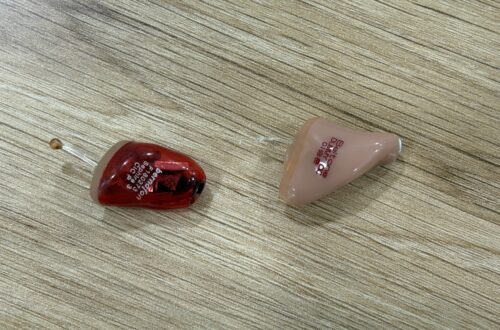
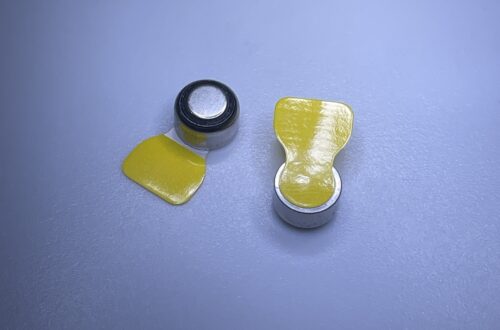
Zinc-air battery models offer maximum flexibility for frequent active outdoor travelers. Therefore, replacing empty cells takes only a few seconds anywhere.
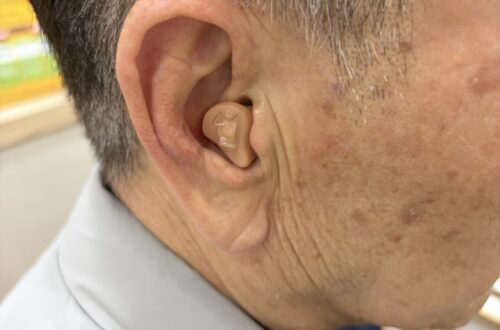
First, tiny cell dimensions support completely invisible inner ear styles.
In addition, you do not need to carry bulky electric chargers.
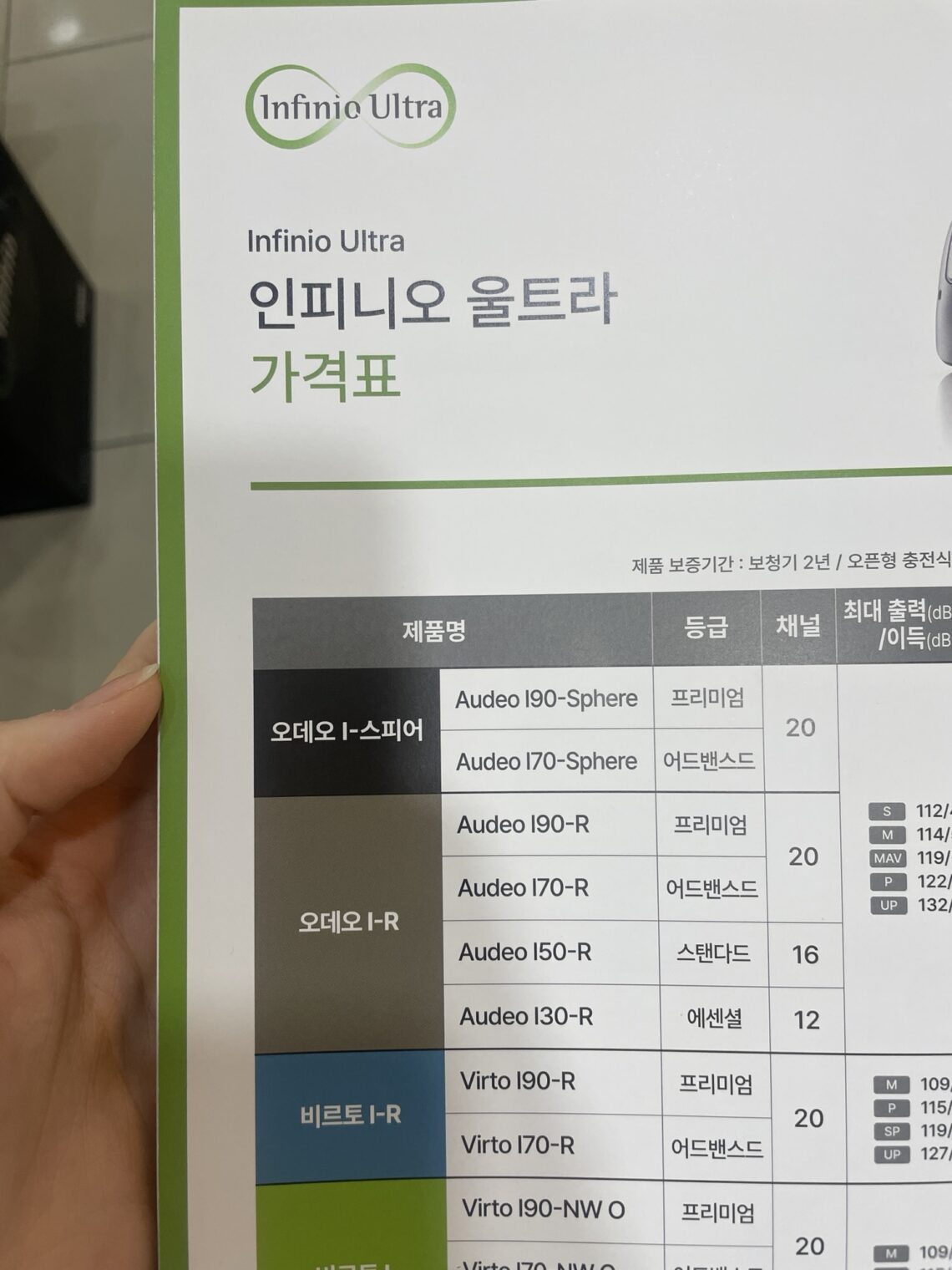
Furthermore, initial equipment purchasing expenses remain noticeably lower for buyers.
3. Selecting Ideal Options Based on Personal Lifestyle Routines
Analyzing your everyday environment helps determine your perfect power equipment match. Therefore, clinical specialists recommend testing both options before buying.
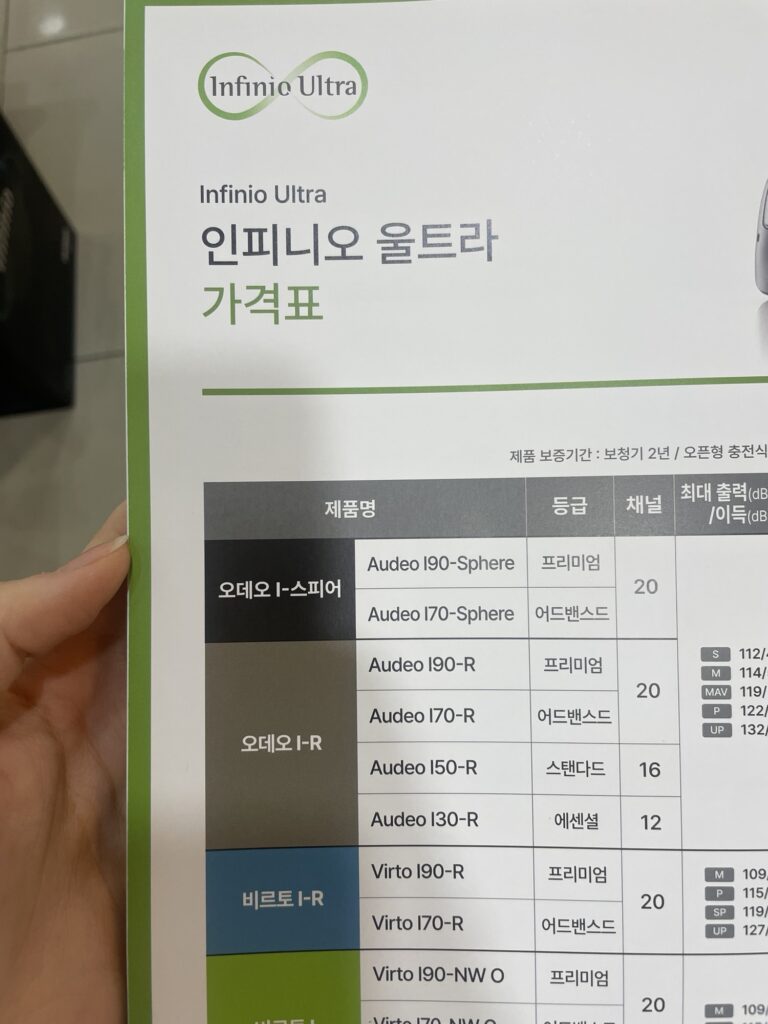
Therefore, active outdoor enthusiasts often prefer instant disposable battery swaps.
Furthermore, users with limited manual dexterity enjoy simple automatic charging docks.
Ultimately, selecting the appropriate power system will secure your long-term happiness.