-
소리가 갑자기 안 들릴 때? 보청기 왁스가드 교체 방법 3단계
잘 사용하던 보청기에서 갑자기 소리가 전혀 안 들리거나 울림 없이 먹먹하게 들린다면 보청기 고장이 아닌 리시버 입구의 귀지 방지 필터가 막혔을 가능성이 높습니다. 외이도 내부의 귀지와 유분은 소리가 나오는 미세한 구멍을 막는 주원인입니다. 올바른 보청기 왁스가드 교체 노하우를 알고 있으면 센터를 직접 방문하지 않고도 집에서 1분 만에 소리를 깨끗하게 복원할 수 있습니다. 오늘 청각 전문가가 올바른 보청기 왁스가드 교체 방법과 자가 점검 팁을 알려드립니다.
1. 보청기 왁스가드(귀지 필터)의 역할과 교체 주기
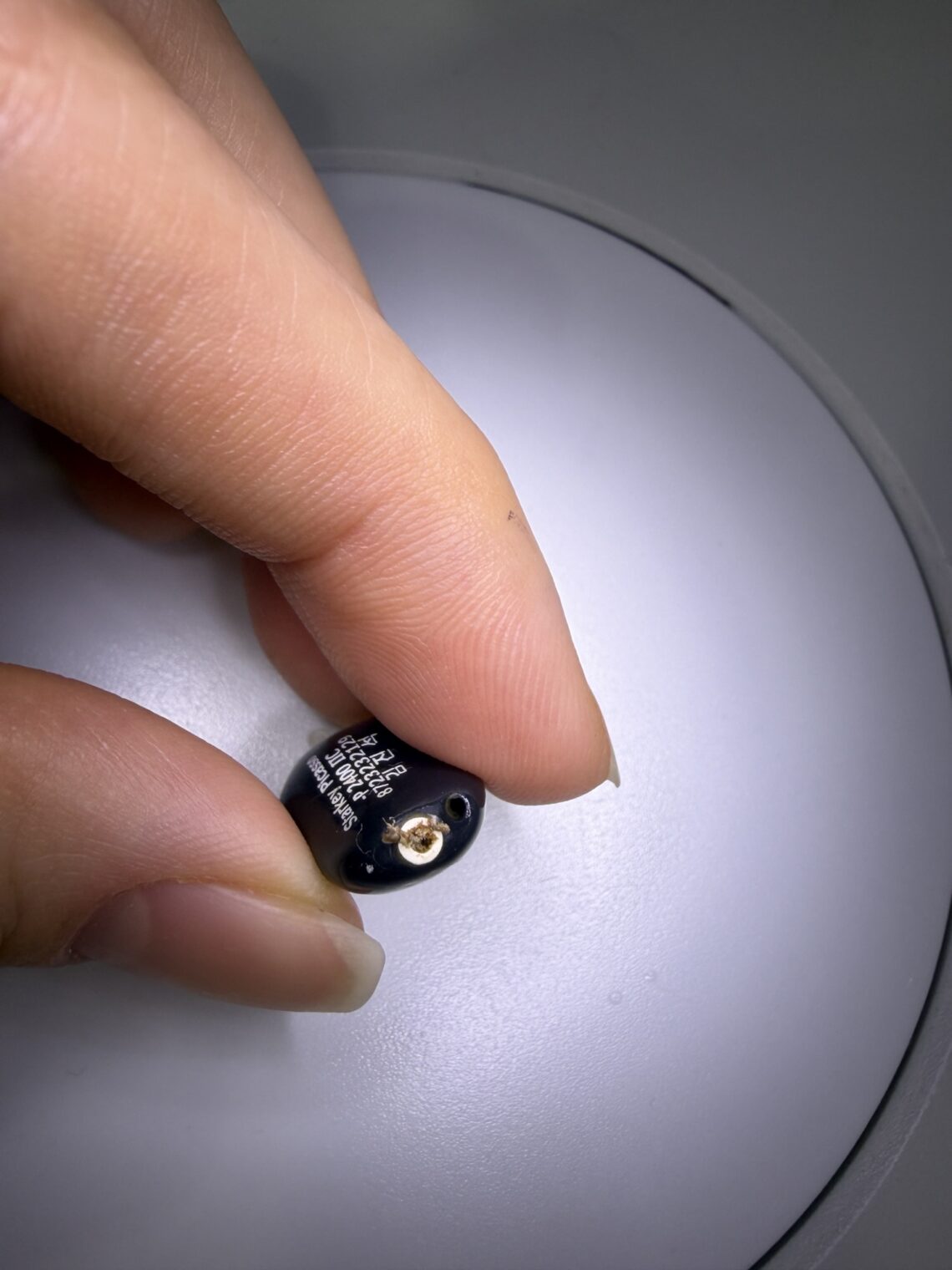
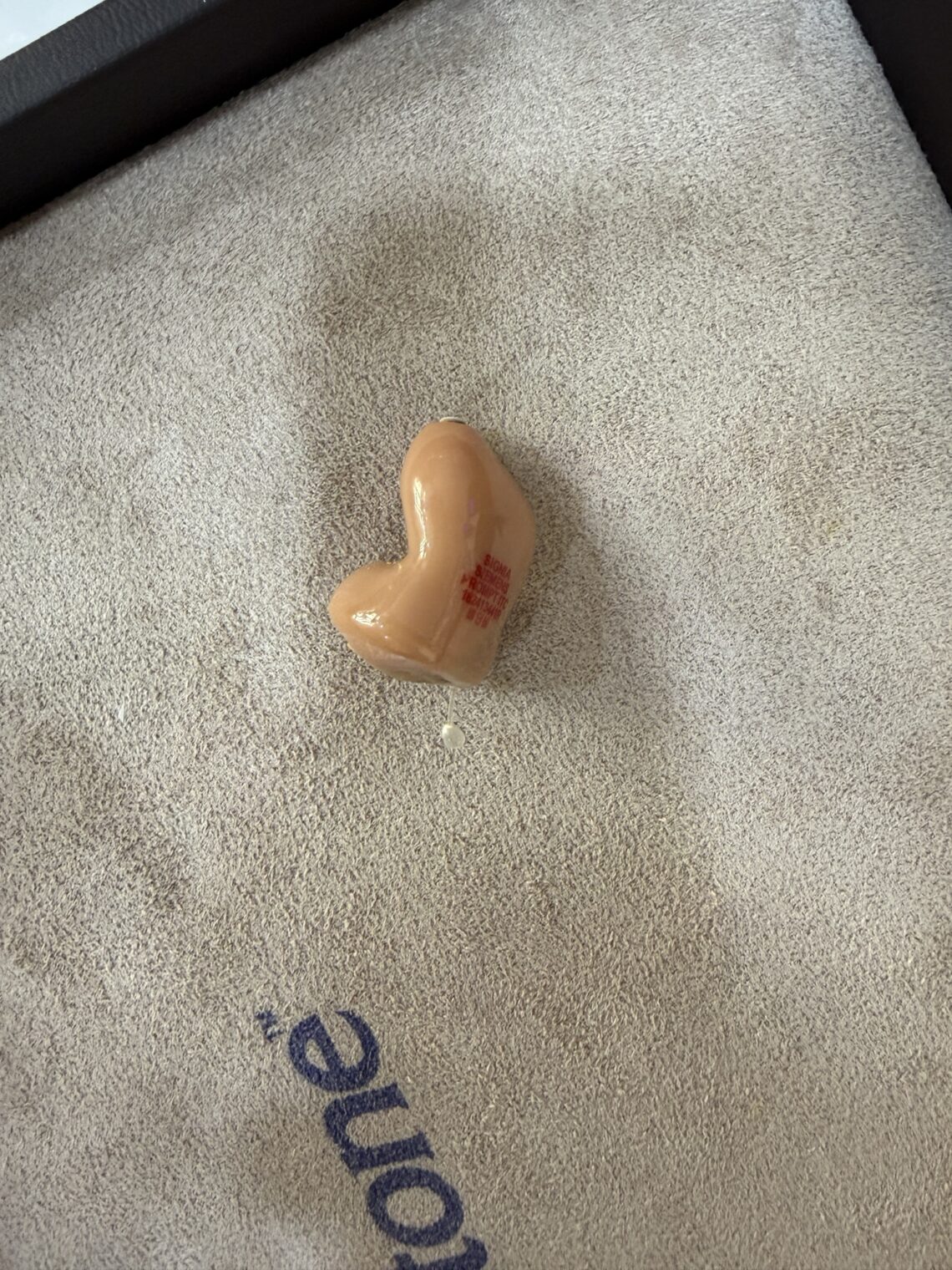
왁스가드는 보청기 내부 핵심 부품인 리시버로 귀지나 이물질이 들어가지 않도록 막아주는 촘촘한 미세 필터입니다.
교체 주기: 보통 3~4주에 1회 교체를 권장하며, 귀지 분비량이 많거나 소리가 약해졌을 때는 즉시 새 필터로 교체해야 합니다.
막힘 증상: 보청기 전원은 켜지는데 소리가 작게 들리거나 먹먹한 소리가 납니다.
2. 집에서 쉽게 따라 하는 보청기 왁스가드 교체 3단계
기존 필터 제거: 교체용 툴의 빈 핀(Removal Hook) 부분을 보청기 리시버 입구의 오염된 필터에 똑바로 꽂아 천천히 잡아당겨 제거합니다.
새 필터 삽입: 교체용 툴 반대편에 끼워져 있는 하얀색 새 왁스가드를 리시버 구멍에 수직으로 똑바로 밀어 넣습니다.
툴 분리 및 확인: 툴을 천천히 빼내어 새 필터가 정위치에 제대로 고정되었는지 확인하고 소리가 잘 나오는지 테스트합니다.
청력 3. 필터 교체 후에도 소리가 안 들릴 때의 조치법
왁스가드를 새것으로 교체했음에도 소리가 정상적으로 나오지 않는다면 습기로 인한 부품 먹통이거나 마이크 막힘일 수 있습니다. 보청기 습기제거기 사용법 및 건조 팁을 참고하여 습기 제거를 진행해 보시기 바랍니다. 보청기 소모품 및 정밀 의료기기 안전 기준은 식품의약품안전처 의료기기 포털에서 확인하실 수 있습니다.
-
수명 2배 늘리는 보청기 습기제거기 사용법과 매일 밤 습기 관리 팁
보청기는 매일 귀 내부에 밀착되어 작동하므로 땀, 습기, 체온에 끊임없이 노출되는 정밀 전자기기입니다. 보청기 내부 마이크와 리시버 부품에 습기가 차면 음질이 왜곡되거나 소리가 꺼지는 주요 고장 원인이 됩니다. 올바른 보청기 습기제거기 사용법을 익히고 매일 밤 보관할 때 건조 습관을 들이면 보청기 잔고장을 80% 이상 줄이고 수명을 대폭 연장할 수 있습니다. 오늘 청각 전문가가 올바른 보청기 습기제거기 사용법과 습기 관리 청소 노하우를 상세히 알려드립니다.
1. 보청기 습기제거기 종류와 올바른 사용법
전자식 UV 건조기: 온열 건조 기능과 UV 자염 살균 기능이 함께 작동합니다. 매일 밤 배터리 도어를 열고(충전식은 충전 겸용 건조기에 탑재) 3~6시간 동안 전원을 켜둔 채 건조합니다.
실리카겔 건조 알갱이 캡슐: 전기가 없는 곳에서 사용하는 알갱이 보관통입니다. 실리카겔 색상이 변하면(예: 파란색에서 분홍색으로 변경) 새 캡슐로 즉시 교체해 주어야 습기 흡수력이 유지됩니다.
2. 잔고장을 줄이는 매일 밤 습기 관리 청소 팁 3가지
착용 후 땀과 유분 닦기: 귀에서 보청기를 뺀 즉시 부드러운 마른 천이나 극세사 수건으로 표면의 땀과 기름기를 깨끗이 닦아냅니다.
배터리 도어 열어두기: 건전지교체형 보청기는 보관 시 배터리 문을 열어두어 내부 통풍이 잘되도록 하고 방전을 방지합니다.
드라이기 사용 금지: 빨리 말리겠다고 뜨거운 헤어드라이어로 열을 가하면 내부 부품이 융해되어 완파될 수 있으므로 절대 삼가야 합니다.
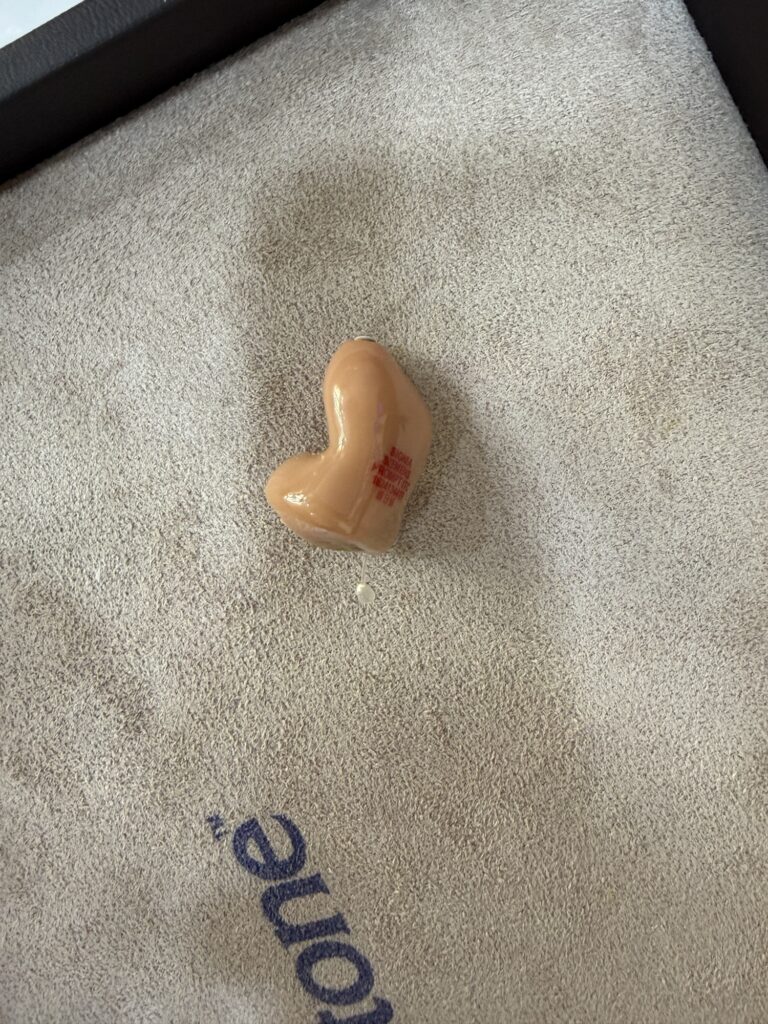
3. 정기적인 센터 점검 및 자외선 소독의 필요성
홈케어 습기 제거와 함께 센터에 방문하여 전문 청소 및 진공 건조 서비스를 받는 것이 좋습니다. 보청기 마이크 청소 및 소음 제어 가이드를 참고하여 부품 오염을 미리 방지해 보시기 바랍니다. 보청기 정밀 전자 부품 시험 기준 및 관리 규칙은 식품의약품안전처 의료기기 공식포털에서 확인해 보실 수 있습니다.
-
Hearing Aid Occlusion Effect Solution: 3 Ways To Fix Muffled Voice
Do you experience strange muffled echo sounds when speaking naturally? A proper hearing aid occlusion effect solution eliminates uncomfortable hollow internal voice resonances. Moreover, trapped low-frequency acoustic energy inside closed ear canals causes this discomfort. Consequently, applying a hearing aid occlusion effect solution restores natural daily speech perception. In this expert guide, you will learn practical acoustic relief methods.
1. Understanding How Trapped Low Frequency Sound Causes Hollow Echoes
Speaking generates low-frequency bone conduction energy inside human jaw joints. Therefore, finding a hearing aid occlusion effect solution requires venting trapped sound.
Moreover, tightly sealed ear tips trap sound pressure inside ear canals.
Consequently, users perceive their own voice like inside a deep cave.
In addition, chewing solid foods creates loud annoying internal physical vibrations.
2. Implementing Practical Physical Venting Adjustments For Immediate Relief
Professional audiologists modify physical ear mold ventilation structures effectively. Therefore, applying this hearing aid occlusion effect solution releases trapped acoustic energy.
First, drilling larger acoustic vents releases trapped low frequencies externally.
In addition, open-fit dome selections prevent uncomfortable ear canal pressure seals.
Furthermore, deeper custom shell fits reduce cartilage vibration transfer effectively.
3. Adjusting Software Processing Parameters During Clinical Audiological Sessions
Modern digital signal processors feature own voice processing software algorithms. Therefore, receiving a hearing aid occlusion effect solution optimizes daily natural conversations.
Therefore, schedule regular acoustic fitting sessions with your certified audiologist.
Furthermore, exploring our hearing aid maintenance and cleaning guide improves comfort.
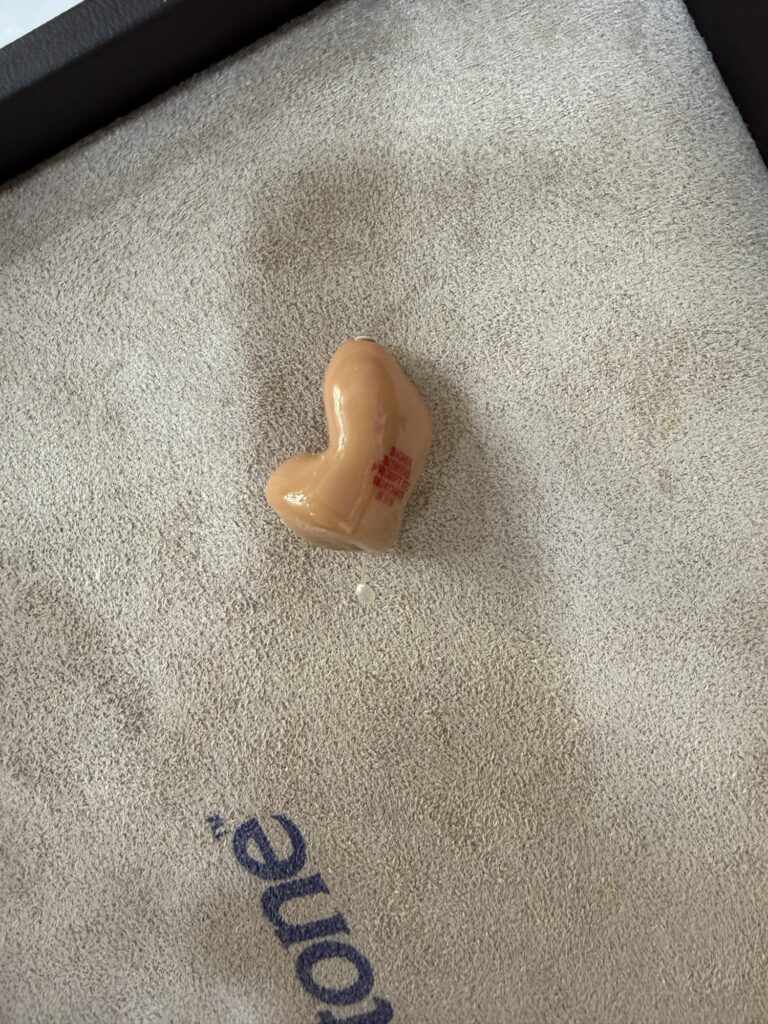
Ultimately, achieving balanced acoustic fitting guarantees absolute lifelong happiness.
Finding the right hearing aid occlusion effect solution restores natural listening comfort. While feeling a muffled echo when speaking can be frustrating initially, adjusting physical vents and digital software settings easily resolves trapped sound pressure. However, taking off your devices without professional acoustic tuning prevents long-term brain adaptation. Consequently, consulting your certified audiologist for shell modifications is the most practical strategy.
Therefore, visit your hearing center to adjust acoustic vent diameters precisely.
In addition, test open-fit dome alternatives to release trapped low frequencies.
Furthermore, utilize digital own-voice processing algorithms for natural speech balance.
Ultimately, receiving proper acoustic adjustments will guarantee your absolute lifelong happiness.